
Apply for this course
Please select when you would like to start:
If you're a UK applicant wanting to study full-time starting in September, you must apply via UCAS unless otherwise specified. If you're an international applicant wanting to study full-time, you can choose to apply via UCAS or directly to the University.
If you're applying for part-time study, you should apply directly to the University. If you require a Student visa, please be aware that you will not be able to study as a part-time student at undergraduate level.
Why study this course?
This is a top-up version of our Tourism and Travel Management BA degree. A top-up degree is the final year (Level 6) of an undergraduate degree course and is for those who have a foundation degree, Higher National Diploma or equivalent qualification, or those wishing to study the final degree of their degree in London.
This degree will bring you closer to a managerial career in the travel and tourism sector. You’ll investigate contemporary issues, including how to evaluate and mitigate risks, develop tourism marketing strategies and manage visitor attractions. You’ll benefit from close links with government and businesses via membership of the Tourism Management Institute, as well as insights from international projects by research centres such as the Association for Tourism and Leisure Education and Research (ATLAS).
Become a member of the TMI
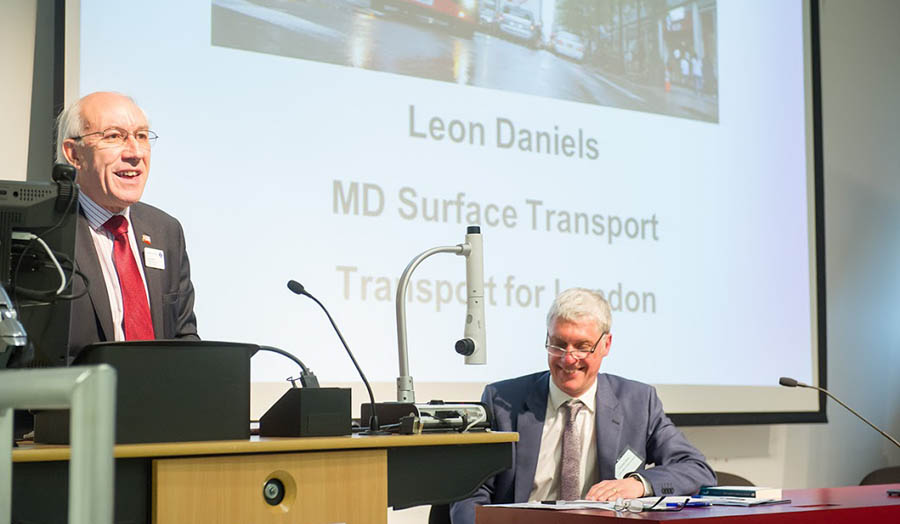
Benefit from close links with government and businesses via membership of the Tourism Management Institute (TMI)
Join a course that never stops developing
This course is constantly evolving to include the most up-to-date issues and to prepare entrepreneurs for the challenging tourism business environment, including how to strategically manage operations even in a situation of crisis
Join our famous overseas tour
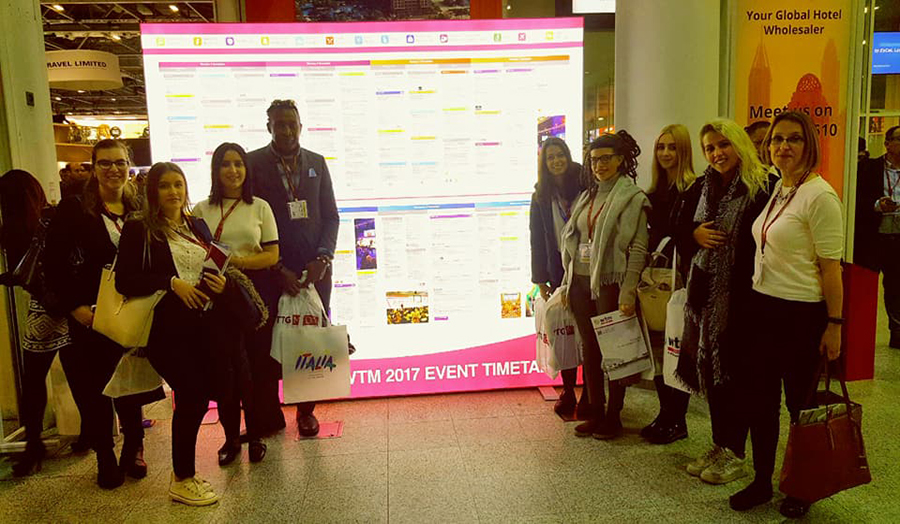
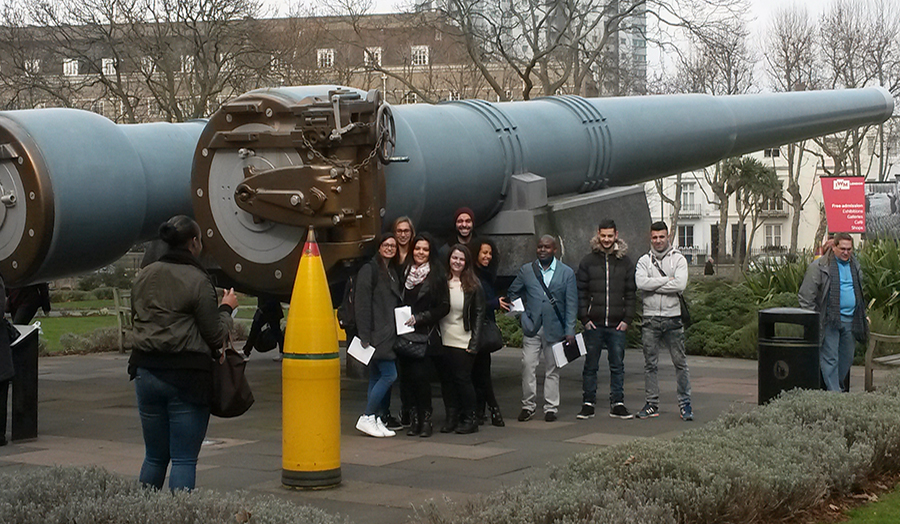
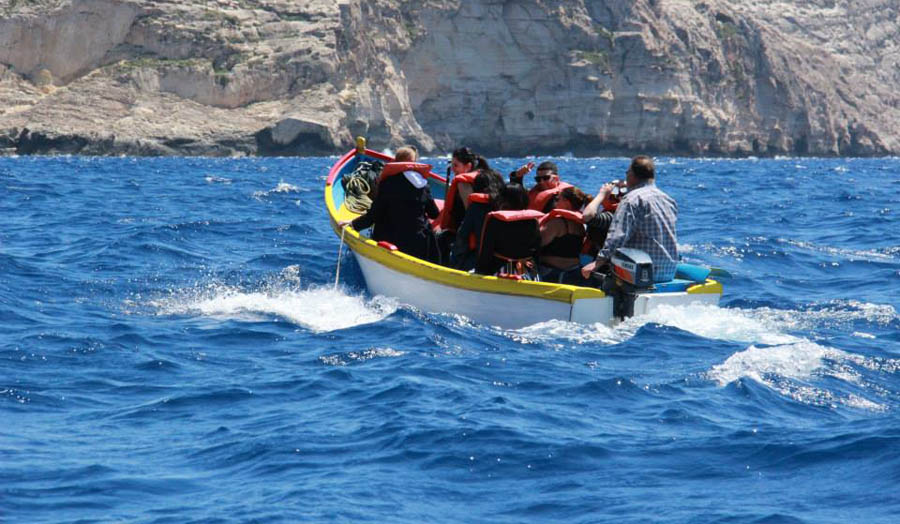
Our overseas study tour is the highlight of the course, providing an early example of field research techniques and addressing tourism marketing, management, planning and sustainability issues
Course modules
The modules listed below are for the academic year 2026/27 and represent the course modules at this time. Modules and module details (including, but not limited to, location and time) are subject to change over time.
Year modules
Contemporary Issues in Tourism
This module currently runs:spring semester
(core, 15 credits)
‘Contemporary Issues in Tourism’ is centred around the most up-to-date issues and challenges emerging in the tourism and travel industries. The curriculum is flexible and student-interest driven, with a variety of topics emerging from research, media, and discussions. The module uses ethics, responsibility, and sustainability frameworks to understand and challenge the nature of contemporary tourism in all its forms, incl. questions of technology and media, risk and crisis, consumerism, human encounters, climate change and education. The module uses the most recent research and business/media insights to improve students' cognitive literacy and open pathways towards MA degrees in related topics.
In line with guidance from Subject Benchmark Statements (2019), the module provides students with ability to research issues surrounding sustainability, ethics and well-being in tourism, security, safety, risk, resilience and crisis management on regional, national and international scales, the role of technology, media and data in tourism production and consumption, etc.
Aim of the module:
You will recognise the range of challenges facing tourists, tourism businesses, and tourism destinations in the contemporary world
You will demonstrate awareness of various perspectives and approaches to challenging issues
You will analyse how the tourism and travel industry responds to change
Responsible Tourism
This module currently runs:autumn semester - Thursday morning
(core, 15 credits)
Tourism has evolved to be more than just a leisure activity of the privileged few, but alongside its exponential growth, contemporary nature, and increasing availability, a series of questions around negative impacts, unequal benefits, and the consumerist nature of tourism encounters arose.
‘Responsible Tourism’ introduces the complex issues related to contemporary mass tourism that overuses resources and diminishes the value of destinations, businesses, and human encounters in the name of never-ending growth. Responsible tourism philosophy offers a new perspective at tourism destinations that in first place aim to be great places to live, and only secondly a great place to visit. This balancing of the needs of all communities of interest, within the constraints of resources available within them is the key agenda in responsible travel.
This module will look at responsibility through the eyes of visitors (responsible tourists), business (responsible business management) and destinations (destination stewardship) to explore perspectives and tools that ensure all stakeholders benefit from tourism in all possible ways: ensuring that it is a viable source of income and employment opportunities for its residents; or that it drives investment in public utilities and transport infrastructure. Business owners would hope to sustain long-term profitable operations, supported by a network of linkages with other economic sectors. Women, young people, and indigenous communities in destinations should be empowered by tourism that stimulates pride in their own heritage and preserves and protects natural and cultural assets.
Read full detailsTourism Destination Management
This module currently runs:spring semester - Monday afternoon
(core, 15 credits)
‘‘Tourism Destination Management’ guides students through principles of tourism destination management, opening a prospective career pathway into planning and developing a tourism destination’s portfolio. Realistic understanding of opportunities and obstacles faced by destinations seeking to establish or improve destination product and image will be explored critically with reference to current issues and range of destination case studies: urban and rural, led by events, culture, business or niche tourism products. During the module, students will apply principles to practice through ‘live’ examples, advising British destinations on improvements available and actions strengthening their competitive advantage.
Read full detailsVisitor Attraction Management
This module currently runs:autumn semester - Friday afternoon
(core, 15 credits)
‘Visitor Attraction Management’ considers visitor attractions from the perspective of the tourism industry, as a product managed and marketed to tourists to meet visitor expectations and maximise visitor satisfaction while ensuring financial security in a dynamic external environment.
The module covers visitor attractions in the commercial, public, and not-for-profit sectors. In order to understand the operation of these attractions, consideration is given to the main management functions: finance, marketing, visitor experience management, facilities management, interpretation, health and safety, and education. Specific issues related to the management of sensitive sites (such as sacred sites and dark heritage sites) are considered. Ethical issues in the management of visitor attractions are dealt with in areas such as the handling of live collections (zoos and aquaria), the treatment of human remains, the provenance of collections, restitution and repatriation.
Whatever the attraction (theme park, museum, temple, or battlefield), they all need to maintain the appropriate balance of visitor engagement, enjoyment, excitement, and enlightenment. In addition, they need to continually adapt to the dynamic social, economic, and political environment in which they operate. To that end, the module emphasises the need for organisations to think ahead strategically and develop plans to build on their strengths and exploit the opportunities in the wider environment, in order to retain and improve their market position.
The module aims to:
1. Provide students with a comprehensive account of natural and man-made visitor attractions that catalyse tourism activity by drawing from case studies from the world tourism landscape.
2. Give students the analytical skills to evaluate a visitor attraction and apply management principles to devise strategic options for these organisations in line with the environment they operate in.
3. Allow students to demonstrate critical skills when evaluating the external and internal factors that impact the management and operations of visitor attractions.
Consultancy Project
This module currently runs:all year (September start) - Thursday
all year (September start) - Friday
(alternative core, 30 credits)
The Professional Consultancy / Project module serves as a capstone experience, requiring students to undertake a business-focused project designed to enhance their employability and support ongoing professional development.
As part of this module, you will complete and document an individual project that not only consolidates your learning throughout the programme but also allows you to apply your knowledge in a real-world context. It provides a valuable opportunity to demonstrate the professional competencies you’ve developed over the course of your studies.
If you are currently employed, you may choose to base your project on a work-related consultancy initiative, subject to your employer’s approval. Alternatively, you may opt for a research-based project.
You will present your project through an online presentation. This module offers a platform to showcase your professional credibility while applying your academic, business, and technical skills in a practical setting
The Professional Consultancy Project aims to:
1 , Demonstrate the ability to utilise and contextualise knowledge by applying analytical skills to a business situation or problem
2 , Demonstrate the ability to assemble a coherent and sustained piece of writing that evaluates a business/project problem/solution
3 , Create an opportunity to continue the development of a range of skills associated with research, including analysis, interpretation, written expression, formal report writing, and self-managed study
4 , Engage students in a complex, integrated activity that will consolidate and integrate previous skills and learning
5 , Provide students with a ‘showcase’ opportunity that allows them to demonstrate their ability to apply the knowledge and skills acquired throughout the course to a significant and specialised task
Those studying on a Student Visa will only be able to complete work-based project option of this module if it meets UKVI monitoring requirements including: approval of the placement dates and hours by a Placement Officer prior to starting the placement, submission of weekly timesheets for the hours undertaken, signed by their contact at the business and continued engagement with the Placement Officer as well as the International Student Support and Compliance Team.
Consultancy Project
This module currently runs:autumn semester - Wednesday morning
(alternative core, 15 credits)
The Professional Consultancy / Project module serves as a capstone experience, requiring students to undertake a business-focused project designed to enhance their employability and support ongoing professional development.
As part of this module, you will complete and document an individual project that not only consolidates your learning throughout the programme but also allows you to apply your knowledge in a real-world context. It provides a valuable opportunity to demonstrate the professional competencies you’ve developed over the course of your studies.
If you are currently employed, you may choose to base your project on a work-related consultancy initiative, subject to your employer’s approval. Alternatively, you may opt for a research-based project.
You will present your project through an online presentation. This module offers a platform to showcase your professional credibility while applying your academic, business, and technical skills in a practical setting
The Professional Consultancy Project aims to:
1 , Demonstrate the ability to utilise and contextualise knowledge by applying analytical skills to a business situation or problem
2 , Demonstrate the ability to assemble a coherent and sustained piece of writing that evaluates a business/project problem/solution
3 , Create an opportunity to continue the development of a range of skills associated with research, including analysis, interpretation, written expression, formal report writing, and self-managed study
4 , Engage students in a complex, integrated activity that will consolidate and integrate previous skills and learning
5 , Provide students with a ‘showcase’ opportunity that allows them to demonstrate their ability to apply the knowledge and skills acquired throughout the course to a significant and specialised task
Those studying on a Student Visa will only be able to complete work-based project option of this module if it meets UKVI monitoring requirements including: approval of the placement dates and hours by a Placement Officer prior to starting the placement, submission of weekly timesheets for the hours undertaken, signed by their contact at the business and continued engagement with the Placement Officer as well as the International Student Support and Compliance Team.
Read full detailsConsultancy Project
This module currently runs:spring semester - Tuesday afternoon
autumn semester - Tuesday afternoon
(alternative core, 15 credits)
The Professional Consultancy / Project module serves as a capstone experience, requiring students to undertake a business-focused project designed to enhance their employability and support ongoing professional development.
As part of this module, you will complete and document an individual project that not only consolidates your learning throughout the programme but also allows you to apply your knowledge in a real-world context. It provides a valuable opportunity to demonstrate the professional competencies you’ve developed over the course of your studies.
If you are currently employed, you may choose to base your project on a work-related consultancy initiative, subject to your employer’s approval. Alternatively, you may opt for a research-based project.
You will present your project through an online presentation. This module offers a platform to showcase your professional credibility while applying your academic, business, and technical skills in a practical setting
The Professional Consultancy Project aims to:
1 , Demonstrate the ability to utilise and contextualise knowledge by applying analytical skills to a business situation or problem
2 , Demonstrate the ability to assemble a coherent and sustained piece of writing that evaluates a business/project problem/solution
3 , Create an opportunity to continue the development of a range of skills associated with research, including analysis, interpretation, written expression, formal report writing, and self-managed study
4 , Engage students in a complex, integrated activity that will consolidate and integrate previous skills and learning
5 , Provide students with a ‘showcase’ opportunity that allows them to demonstrate their ability to apply the knowledge and skills acquired throughout the course to a significant and specialised task
Those studying on a Student Visa will only be able to complete work-based project option of this module if it meets UKVI monitoring requirements including: approval of the placement dates and hours by a Placement Officer prior to starting the placement, submission of weekly timesheets for the hours undertaken, signed by their contact at the business and continued engagement with the Placement Officer as well as the International Student Support and Compliance Team.
Read full detailsDissertation for Marketing and Creative Enterprise
This module currently runs:autumn semester
(alternative core, 15 credits)
In this module, which will be taught in the final term of a three-year degree, students will be required to build on previously gained knowledge and research skills. It requires students to pick up research threads introduced and developed in MC6P02S and continue their research by deepening their knowledge further through data collection, analysis, and the write-up of a dissertation.
Student research in MC6P02S will have already involved the review of a wide range of publications (secondary data sources) around the broad area of investigation, and this will have led to the formulation of a research proposal for their dissertation.
In this module, students will pursue a robust enquiry using the research methodologies with appropriate methods of data collection, data processing, and analysis designed. Both the process, the knowledge, and the skills gained will inform their approach to this module. Completion.
The ability to critically analyse, synthesise and present data in a usable format will contribute to their management capability. Students' ability to undertake an investigation into a marketing and creative industry topic, analysis of data evaluation and synthesis will make a practical and theoretical important contribution to their field and help them to prepare for a graduate job market or postgraduate studies.
Specifically, the module aims to allow students to:
1. Conduct the study accordingly by analysing and interpreting data
2. Report their investigation in the form of a professional dissertation
Dissertation for Marketing and Creative Industries
This module currently runs:spring semester
(alternative core, 15 credits)
In this module you will have the opportunity to undertake in-depth and independent study of a topic from your course that has most inspired you. Using the research skills you learned in level five, you will undertake a marketing or creative enterprise dissertation. The model aims to allow students to:
-Decide on a suitable research area
-Propose a feasible study investigating their field of interest
-Present their plan and defend it accordingly
-Conduct extensive literature research into their chosen topic
-Develop a suitable proposal including a literature review and methodology
Dissertation for Marketing and Creative Industries
This module currently runs:all year (September start) - Tuesday morning
(alternative core, 30 credits)
In this module you will have the opportunity to undertake in-depth and independent study of a topic from your course that has most inspired you. Using the research skills you learned in level five, you will undertake a marketing or creative enterprise dissertation. The overall aim of this module is for you to execute a research project that makes a practical and theoretical important contribution to your field. Specifically, the module aims:
1. To teach you how to execute a research project
2. To teach you how to write up a research project.
3. To provide you with a project to be used as an example of your abilities in the job market.
4. To reflect on the skills demonstrated through producing the research and on your broader graduate career development.
Airline and Airport Strategic Management
This module currently runs:autumn semester - Friday afternoon
(option, 15 credits)
The role of this module is to introduce the role of strategic analysis and planning for airlines and airports to determine a sustainable future for these partners. The module will explore the academic literature on the concepts in particular of Professor Michael Porter and his conceptual analysis of industry sectors linked to competition. In addition, there will be a focus on the alternative academic strategic thinking linked to the resourced based view of strategic management.
At its heart the nature of understanding the external environment and the opportunities for growth and development depending on internal capabilities and the external environment.
The module aims to provide students with an:
• understanding of the importance of strategic management opportunities for airlines based on environmental scanning and analysis
• appreciation of the internal factors that allow companies to capitalise on external market opportunities
• understanding of the vital nature of ‘vision’ and ‘mission’ and ‘market positioning’ features for airlines for strategic development
• review the concepts of simulation of the commercial airline environment using an airline simulation tool
• creatively design and evaluate the creation of a new commercial airline operation using software approved for this purpose
• show creativity and innovation in managing the costs and revenues of airline simulation tool to create a profitable airline operation
Airport Planning and Development
This module currently runs:spring semester - Thursday morning
(option, 15 credits)
The module introduces the key themes and understanding for airport planning and development which is a complex agenda that requires strategic over-sight. Airports are unique businesses that have many stakeholders and uniquely require local support as well as government support to succeed. They also have a unique relationship with airlines as they are symbiotic operators with airlines
The module aims for students to be able to:
1. An understanding of the context for airport planning and development
2. The role of master planning and reasons for this process
3. The importance of stakeholders in the aviation airport planning process
Conference Management
This module currently runs:spring semester - Tuesday afternoon
(option, 15 credits)
The principal aim of this module is to provide students with insight into and appreciation of how conferences and the wider corporate events sector operate, with a focus on the design and management of events across various industries, as well as their complexities—particularly i the roles they play within the broader tourism and events sectors.
To this end the module seeks to explore both the supply and demand sides of the industry, including examining the roles of organisers, venues and suppliers along with the full spectrum of activities that take place before, during, and after a conference as well as the importance of technology in conferencing experiences. Students will also explore the purpose of these events, their scope and value within the broader business tourism landscape and consider current trends and emerging issues that influence how such events are planned, hosted, and managed in an evolving global context.
Aims of the module:
1. You will develop an in-depth and critical understanding of the conference sector within the events industry, including its purpose, structure, and role within the broader events and tourism contexts.
2. You will critically explore current issues and trends affecting the conference and business events sector and engage with these critically to generate informed ideas and potential solutions.
3. You will gain insight into the organisational and managerial skills required to design, plan, and operate conferences and other corporate events effectively.
Event Sponsorship and Fundraising
This module currently runs:autumn semester - Friday morning
(option, 15 credits)
The module examines various marketing and funding practices used in the events industry and the role events can play in the marketing of other organisations, products and services. It explores the relevance of sponsorship in events marketing and its strategic use in marketing communications and branding. It also considers both the use of events as part of organisations’ fundraising efforts and looks at ways in which events can secure funds and support from a range of stakeholders.
Building on students’ existing knowledge and understanding of marketing and marketing communication concepts and theories gained developed earlier in the course the module will explore the principles and practice of sponsorship and fundraising in an event context.
Aims of the module:
1. You will explore the nature, role and application of sponsorship and fundraising in the events industry and the role events play in sponsorship and fundraising strategies for various organisations in sectors including commercial, cultural and not for profit.
2. You will develop an in-depth understanding of current sponsorship and fundraising theories and practices and the ability to apply these in an events context.
3. You will gain the theoretical knowledge as well as practical skills necessary to develop and market sponsorship ready events.
4. You will learn strategies to secure financial/marketing support for events from partners and other stakeholders.
5. You will enhance key professional competencies that are highly valued in the industry, including research, applied analysis, critical thinking, problem-solving, and effective communication.
Leading Innovation
This module currently runs:spring semester
autumn semester - Friday morning
(option, 15 credits)
By the end of this final-year core module “Leading Innovation”, you will have studied, and applied in practice:
• a range of leadership theories and techniques to critically evaluate and develop your own personal leadership style
• a range of leadership theories and techniques to critically evaluate contemporary innovation practice in organisations in a range of companies and industries engaged with innovation
• a range of innovation theories and techniques to critically evaluate contemporary innovation processes in organisations in a range of industries that innovate
• the synergies between leadership and innovation in a range of business contexts
The Module will be based around two themes:
(i) Theme 1: Leadership, where students will study, reflect on, and use leadership theories and techniques to assess and develop their own personal leadership style. By doing this, students will be closely engaging with and evaluating classic and contemporary theories, and directly applying the ideas from these theories to their own experience and ambitions.
(ii) Theme 2: Innovation, where students will study, analyse, and evaluate the innovation processes of selected organisations and industries (by critiquing, for example, Case Studies), and how innovation is achieved and operates within the contemporary economy (by critiquing, for example, classic and contemporary examples).
In addition, students will study the synergies between leadership and innovation, an emerging area in academic research and in practice. By doing this, students will be closely engaging with and evaluating innovation practice and performance, informed by leadership theories and techniques, covered in Theme 1.
Each theme will conclude with a task / assignment: Theme 1 will conclude with a team-based Seminar Task, and Theme 2 will conclude with a pairs-based summative assignment.
Once complete, this Module aims to enable students to understand a long-term timeline.
• Firstly, students will ‘look back’ and be exposed to classic and contemporary leadership texts, so they can critically evaluate and develop their own personal leadership style.
• Secondly, they will ‘look forward’ and critically evaluate how innovation can further emerge in the economy and society, and how contemporary and future organisations and industries can ensure sustainability through enhanced innovation, blended with enhanced organisational leadership.
In addition, this Module has been designed following University guidelines and policies on:
- Artificial Intelligence:
https://student.londonmet.ac.uk/your-studies/student-administration/guidance-on-the-use-of-artificial-intelligence/#
- Education for Social Justice Framework (ESJF):
https://www.londonmet.ac.uk/about/centre-for-equity-and-inclusion/a-fair-outcomes-approach-to-teaching-and-learning/the-degree-awarding-gap/education-for-social-justice-framework/
Sustainability:
https://www.londonmet.ac.uk/about/sustainability/