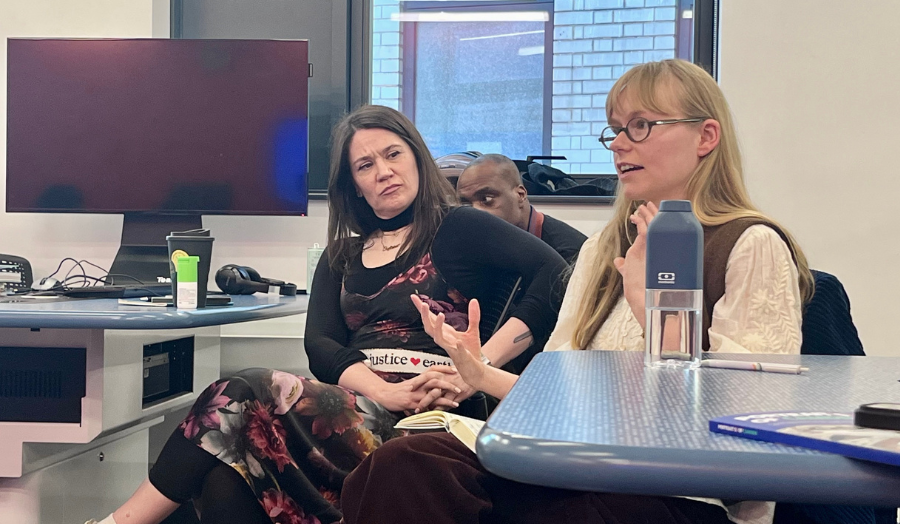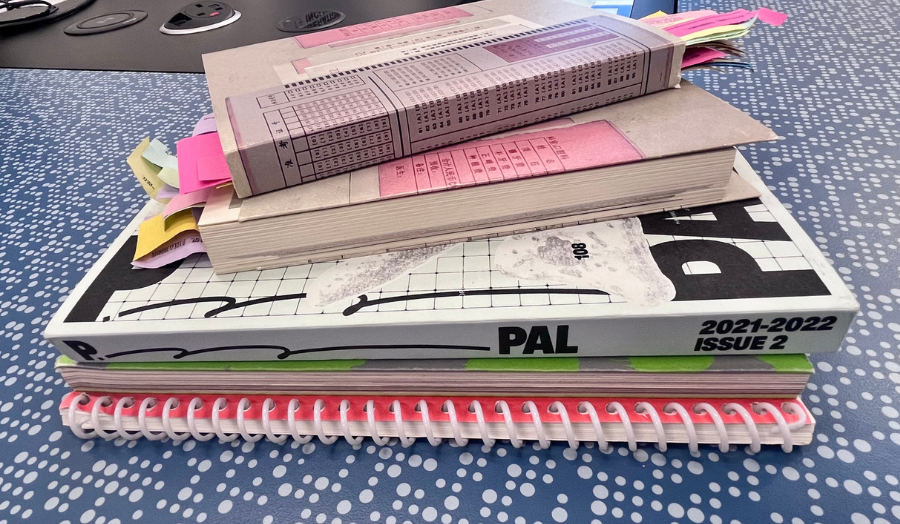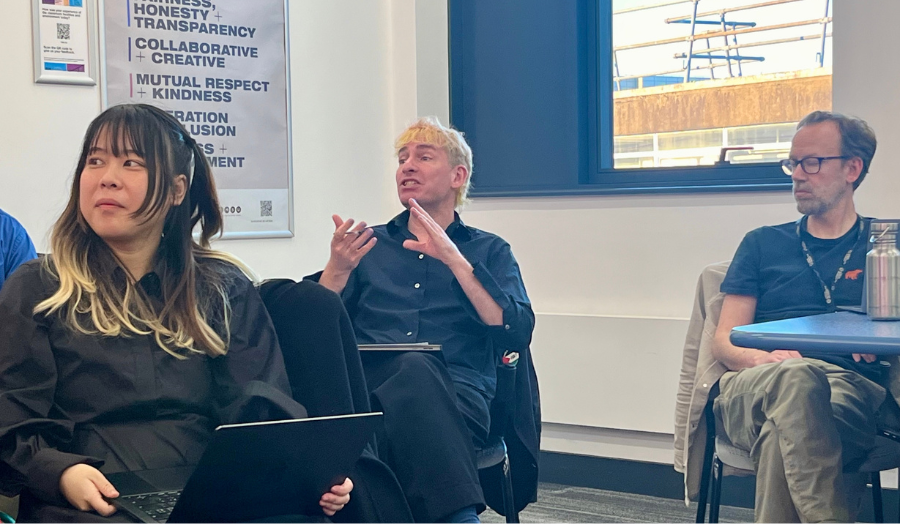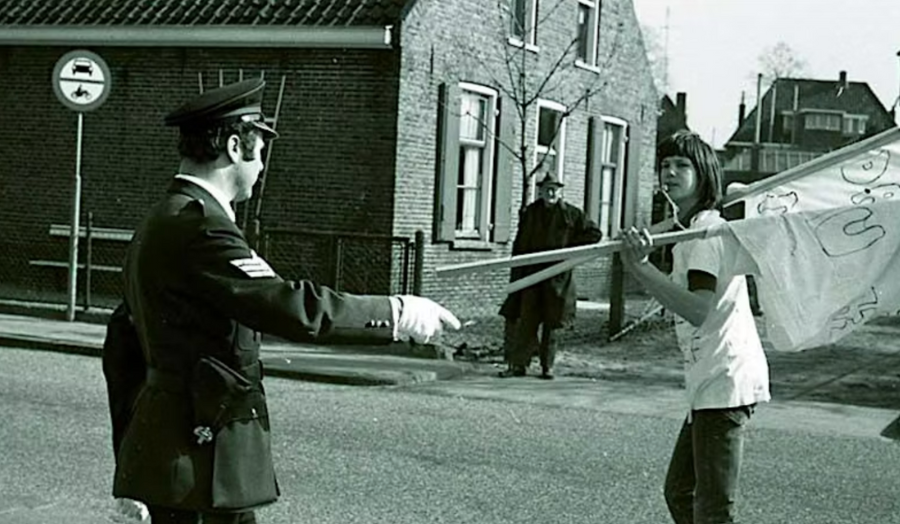
This PGR-led workshop builds on the success of the 2025 Seeing Change workshop as part of an ongoing series examining visual and material activism. While the first event focused on methodological approaches, this workshop shifted attention to a frequently under-articulated stage of research: the challenges of analysing, interpreting, and presenting findings on material and multimedia forms of activism.
Activist practices are rooted in the materials activists use to communicate and mobilise. Translating these practices into research findings, however, raises complex questions. How can researchers analyse meaning, affect, and agency without over-interpreting activist images and objects? How should findings be presented when practices respond to ephemeral events or issues? And in what ways might research outputs reproduce or disrupt the political messages embedded in activist work?
Bringing together postgraduate researchers and practitioners working across historical and contemporary contexts, the workshop offered a space for critical reflection on evidence and interpretation, ethics and risk, visibility and censorship, and the tension between academic analysis and activist intent. It also addressed practical questions of dissemination, exploring how research can be shared through writing, exhibitions, talks, or other creative formats without instrumentalising activist work or compromising care for the communities involved.
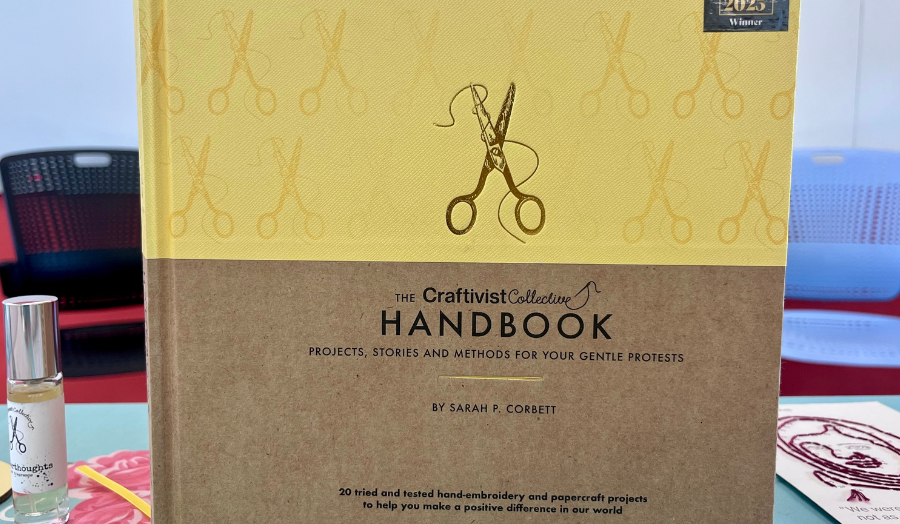
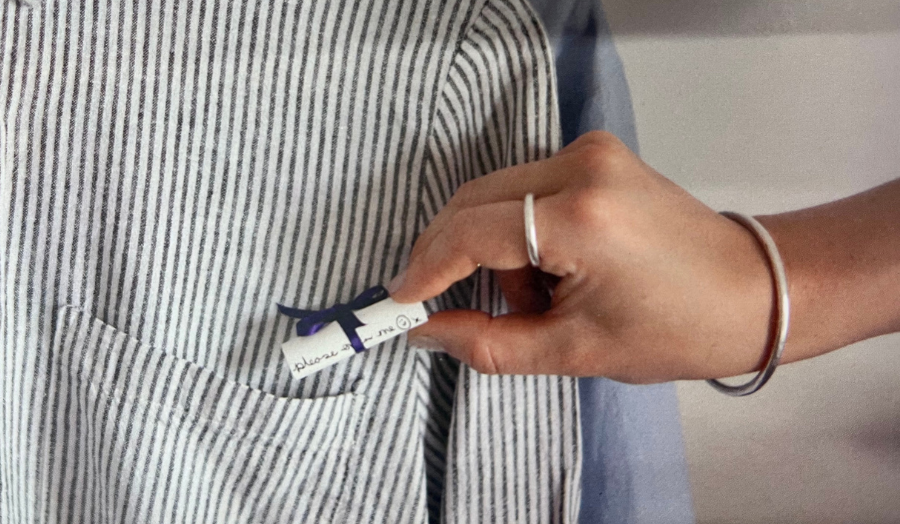
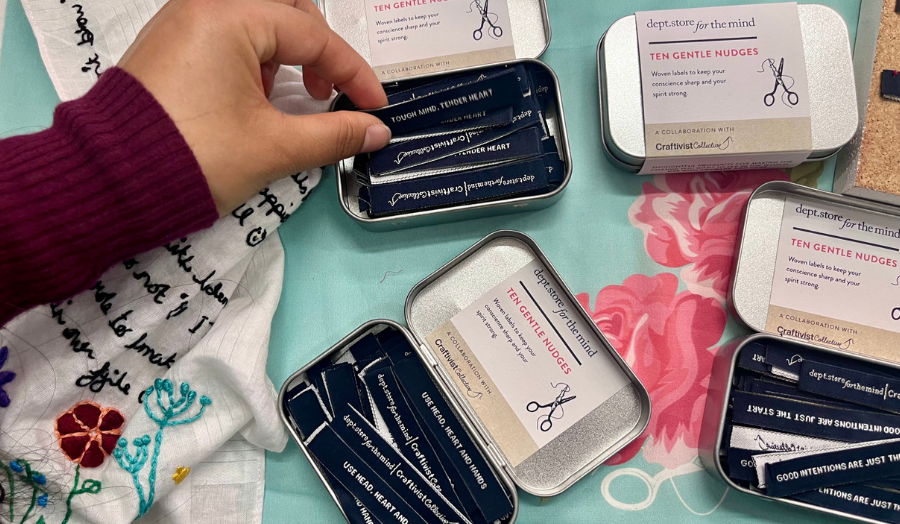
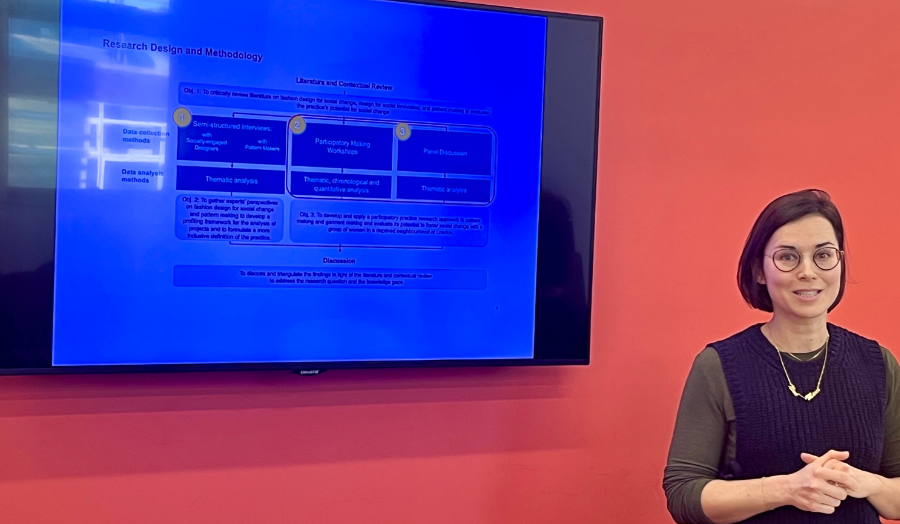
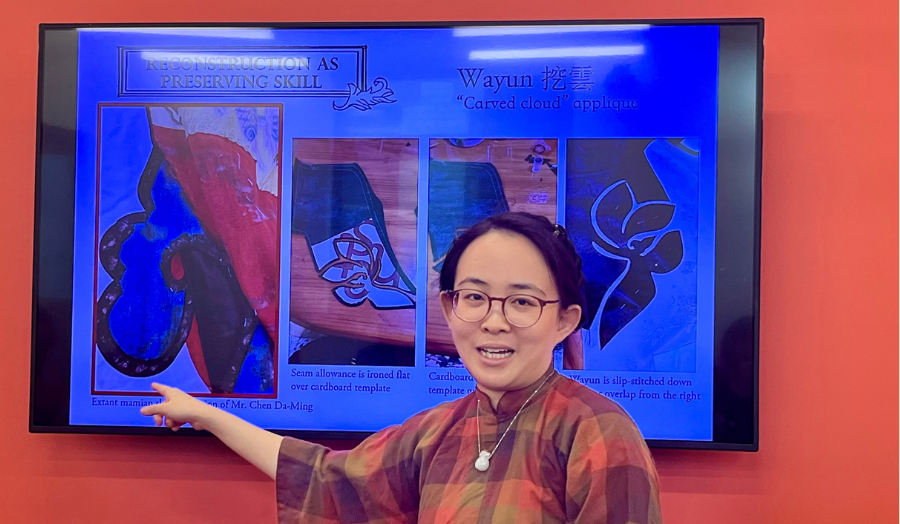
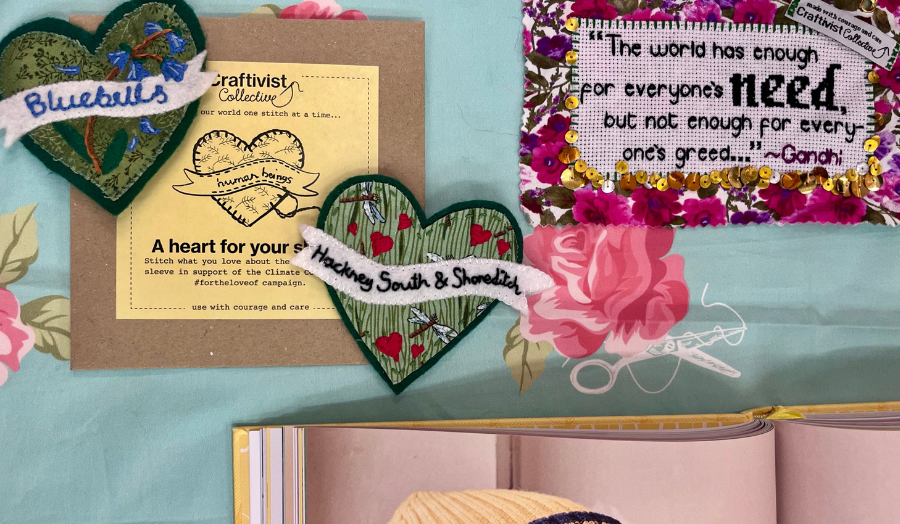
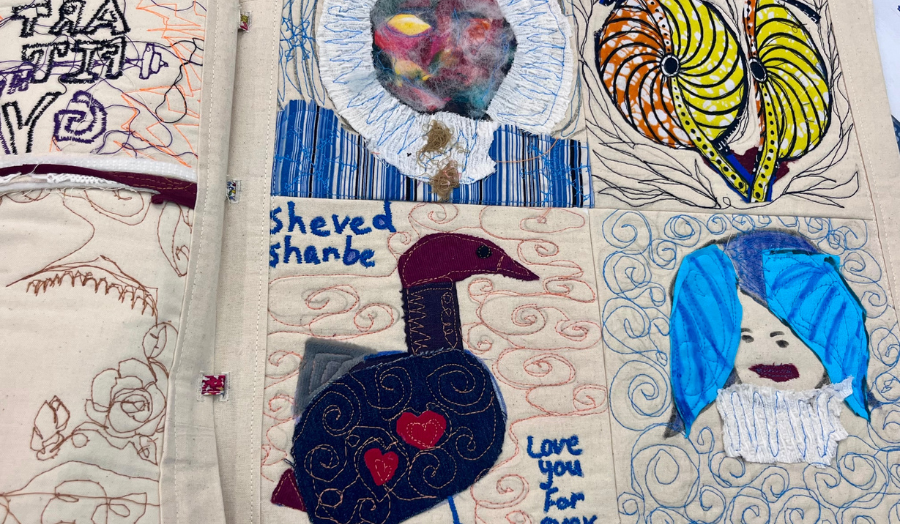
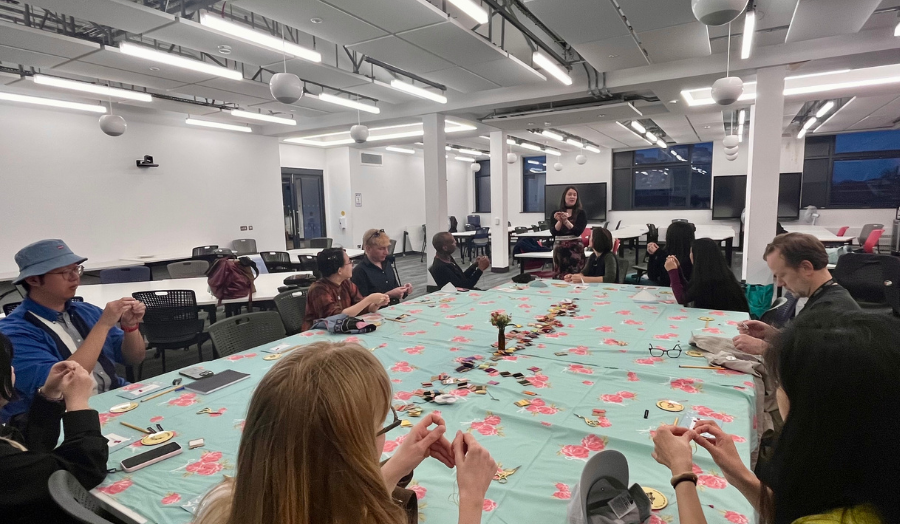
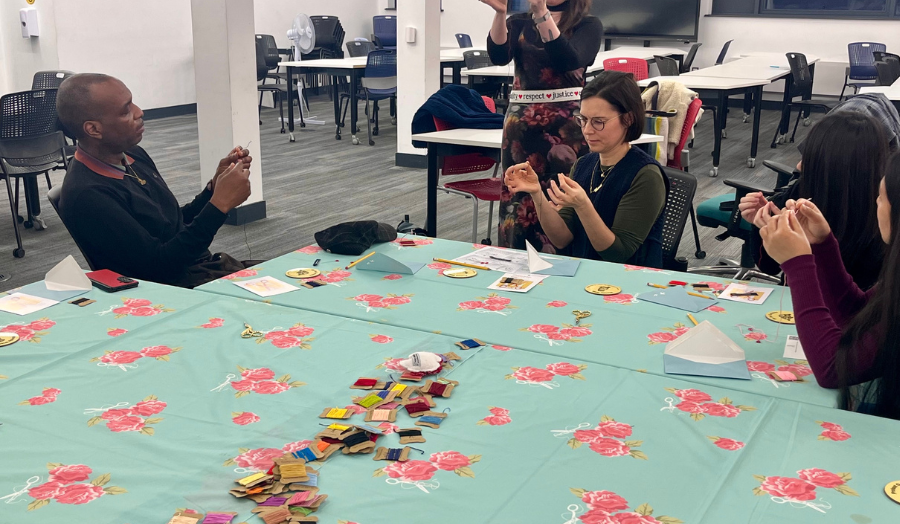
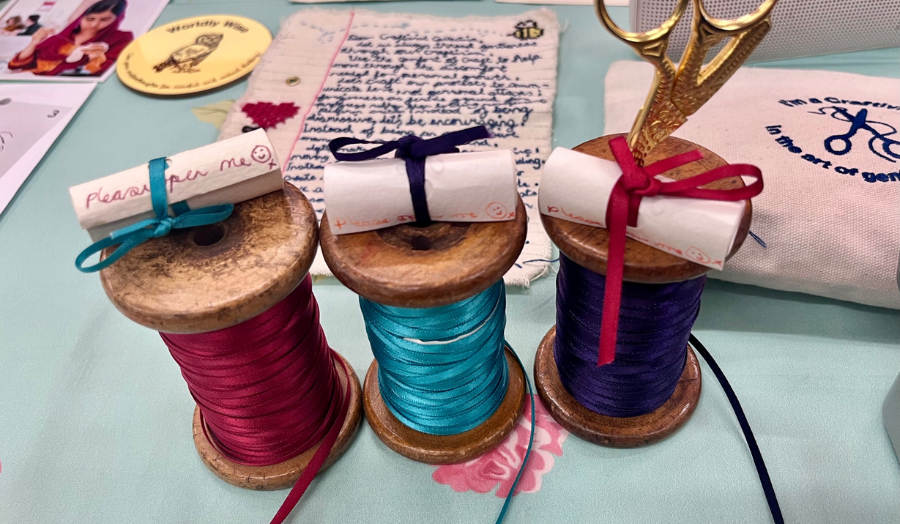
The first half of the event featured short presentations and discussion centred on shared artefacts and research findings, with topics ranging from protest art and underground zine-making to decentralising dominant Western histories through the reconstruction of historic dress. The second half consisted of a mini-workshop on craftivism - the art of gentle protest - linking research analysis to practical, context-sensitive approaches within activist movements.
Speakers
Sarah P. Corbett is an award-winning campaigner and author, and is the Founding Director of the global Craftivist Collective. She’s an Ashoka Fellow, an Honorary Fellow at Goldsmiths University of London, and a Brother of the Art Workers’ Guild. Her unique 'Gentle Protest' approach to activism has helped to change hearts, minds, policies and laws around the world.
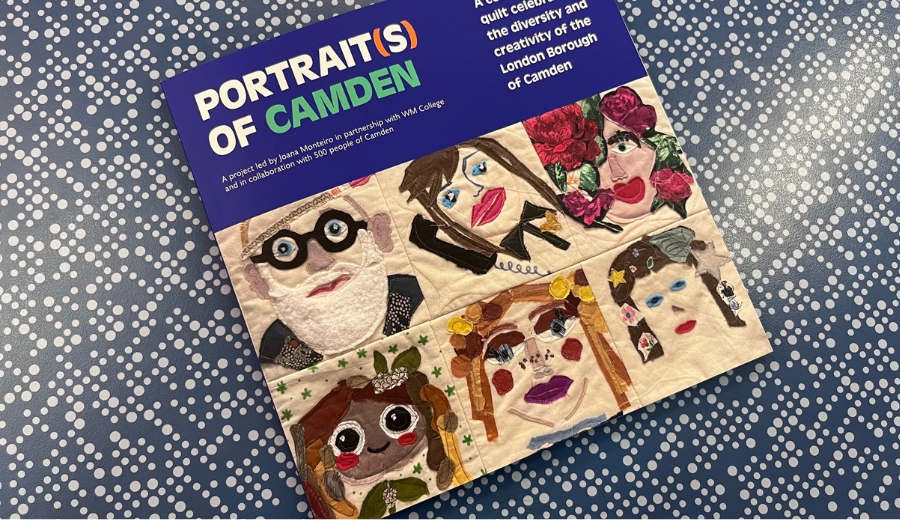
Joana Monteiro Gobbi is a London-based socially engaged designer who believes in collective making as a catalyst for social change. She holds an MSc in International Management from ESCP Europe, an MA in Pattern and Garment Technology, and a PhD in Fashion Design for Social Change from London College of Fashion, UAL.
Laurence Wen-Yu Li is an AHRC-funded PhD candidate at the Royal College of Art and the V&A. Her thesis investigates the production and consumption of ribbons on late Qing Dynasty Chinese women’s clothing. She is also very interested in reconstruction as a methodological approach for studying historic Chinese dress.
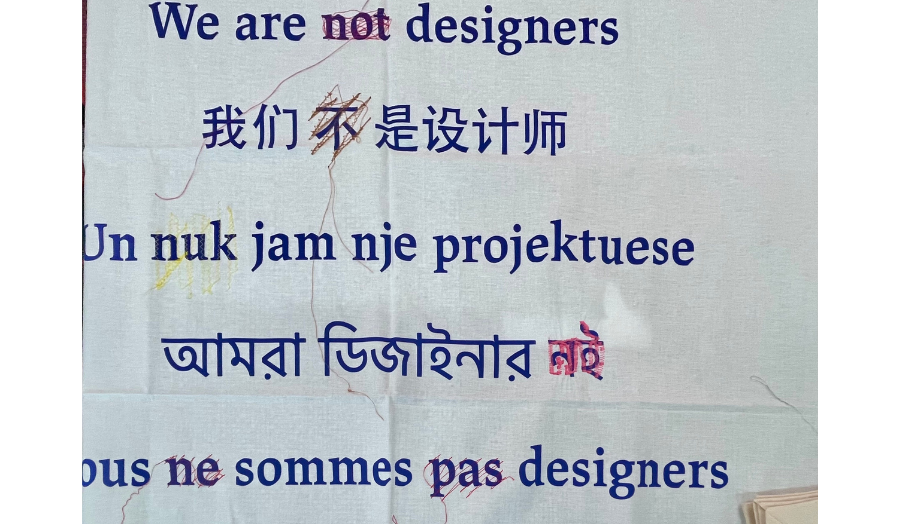
Yunqi Peng is a graphic designer, researcher, and intercultural book-making practitioner. She is currently a PhD candidate of the Royal College of Art, and works as an issue editor of the peer-reviewed journal itinerant space, as well as a Tutor on the Typography Short Course at the RCA. Her practice primarily involves multimedia textual installations grounded in the concepts of artists’ books and fanzines, focusing on unconventional visual narratives and the communicative functions of books.
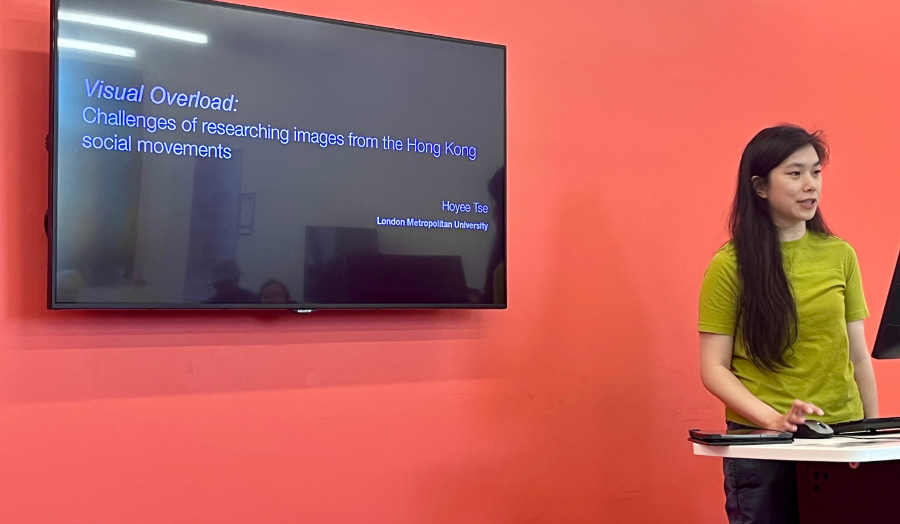
Hoyee Tse is the recipient of the Vice Chancellor’s Doctoral Scholarship in 2023. Her doctoral research explores the role of visual imagery in Hong Kong social movement in fostering pro-democratic values and identity, examining the extent to which this visual imagery reflects and shapes the identity of Hongkongers.
Discussants
Nicholas Brown is a librarian and PhD candidate at the University of the Arts London, researching Black British and British Global Majority artists and print culture, with particular attention to independent magazine publishing. He has formerly managed several university, gallery and cultural institution libraries, most importantly The Stuart Hall Library at Iniva.
Aurore Damoiseaux is a PhD student at University of Brighton in the School of Humanities and Social Science. Her AHRC-Techne funded research project focuses on the use of clothing and handmade textile objects as protest tools to imagine alternative living at Greenham Common Women’s Peace Camp (1981-2000).
Details
| Date/time | Tuesday 18 March 2026 4.00pm - 6.30pm |
|---|---|
| Book ticket | Event ended |
| Location |
TM3-01 and TM3-02, Collaborative Roding Building, Holloway Campus |
Seizing Change: Artefacts and Findings in Visual-Material Activism