Unit brief
This year, the studio will explore, again through the lens of Poetic Pragmatism, how architecture can embody and facilitate refuge. Our investigations will address two distinct sites: the intersection of Plumbers Row and Mulberry Street in Whitechapel, London and the remote settlement of Shingle Street in Suffolk.
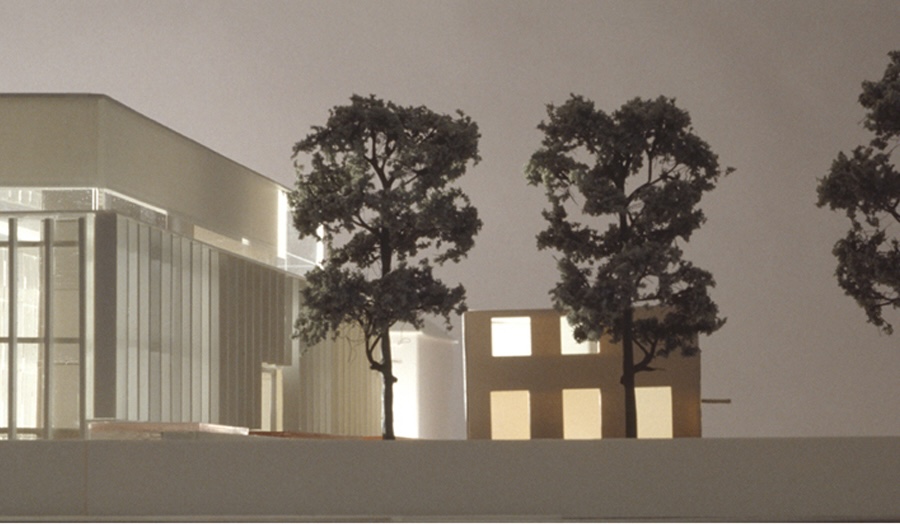
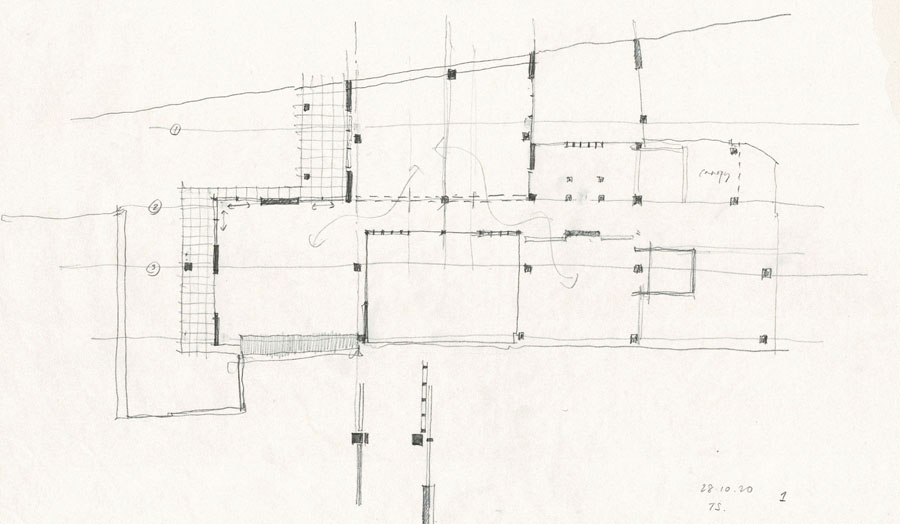
To begin the year, students will be asked to collectively scrutinize and translate a selection of domestic interiors, an exercise intended to encourage the careful examination of their spatial, tectonic and conceptual qualities. The precedents to be interrogated span continents and centuries, offering a variety of spatial settings, cultural manifestations and resulting atmospheres. Through drawing and model making, you will consider how careful observation can inform architecture in relation to atmosphere, materiality and use.
The design proposal for the first semester will be a project on a vacant site in Whitechapel for a night shelter and its supportive spaces that balances pragmatism and empathy, privacy and community, security and openness. Due to the compact nature of the site, you will be challenged with arranging the programme vertically, whilst maintaining the necessary connectivity between the primary and secondary spaces of the programme – a complex architectural task that requires both imagination and rigour.
Preceding this, you will be encouraged to develop an understanding of the urban context of Whitechapel, conducting drawn and modelled surveys of its land use, building types, transport links, street life, ecologies and its history.
In the second semester, attention will turn to Shingle Street, where students will be asked to pursue a programme that addresses ideas of retreat and rehabilitation. Analysis of the broader context at Shingle Street will include drawn and photographic surveys of the coastline, tidal patterns, its flora and fauna and the shifting ground conditions unique to this type of exposed landscape. This semester will culminate in a proposal for a building (and its territory) that supports recovery and renewal in a landscape of exposure and solitude.
Through this work, we will interrogate how architecture can respond to fundamental human needs for refuge and restoration. We will place close attention to material choices, construction methods and the practical realities of designing a building in both an urban setting and an exposed landscape, asking how architecture can quietly and confidently improve lives while working within real constraints. In doing so, we hope to demonstrate that care is embedded in the detailed decisions we make and how they impact upon the lives of those who use the spaces we create.
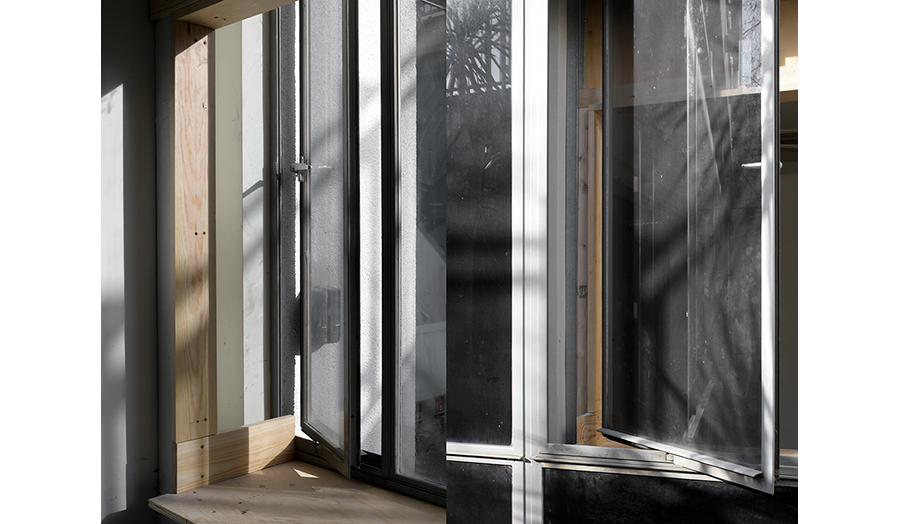
Photo credit: David Grandorge
| Course | |
|---|---|
| Tutors | David Grandorge Ted Swift |
| Where | Goulston Street |
| When | Monday and Thursday |