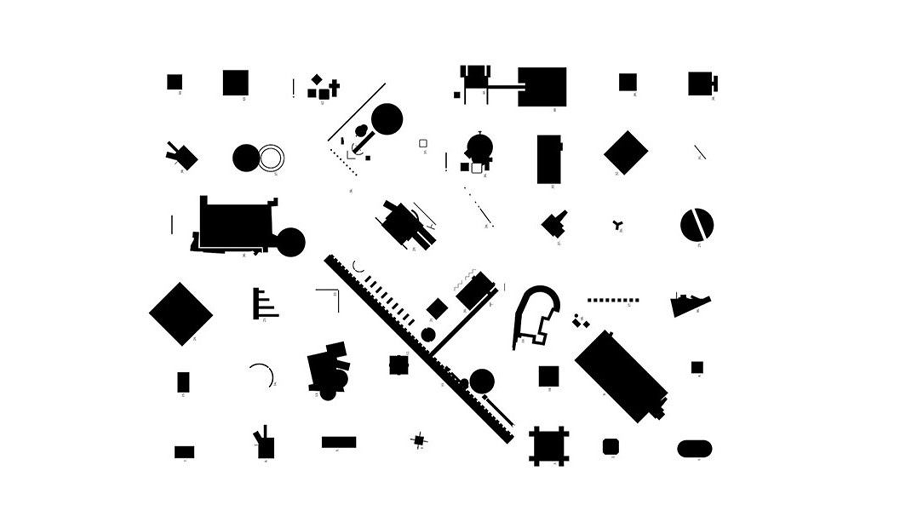
A project extending over two semesters for a new building in London’s Southbank Arts Centre for the British Film Institute that looks out to the river and comprises four cinemas, a foyer, bar, restaurant, videotheque, film library and offices.
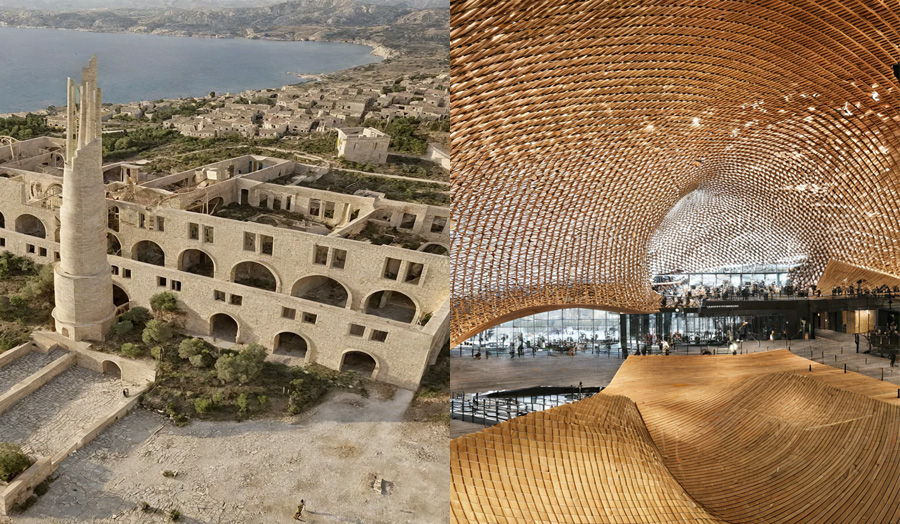
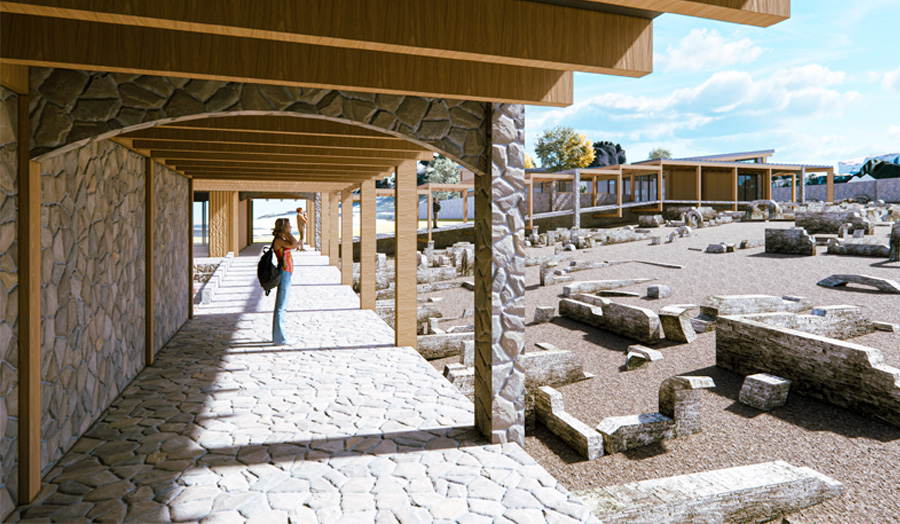
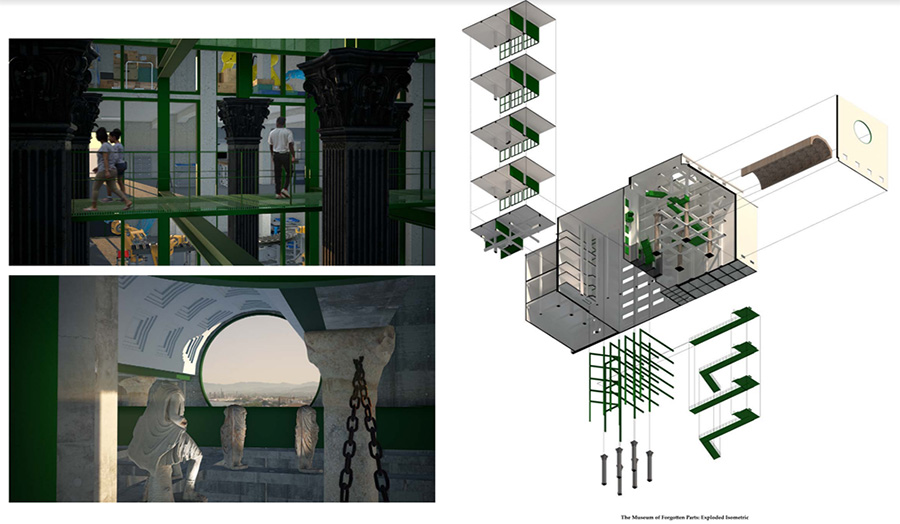
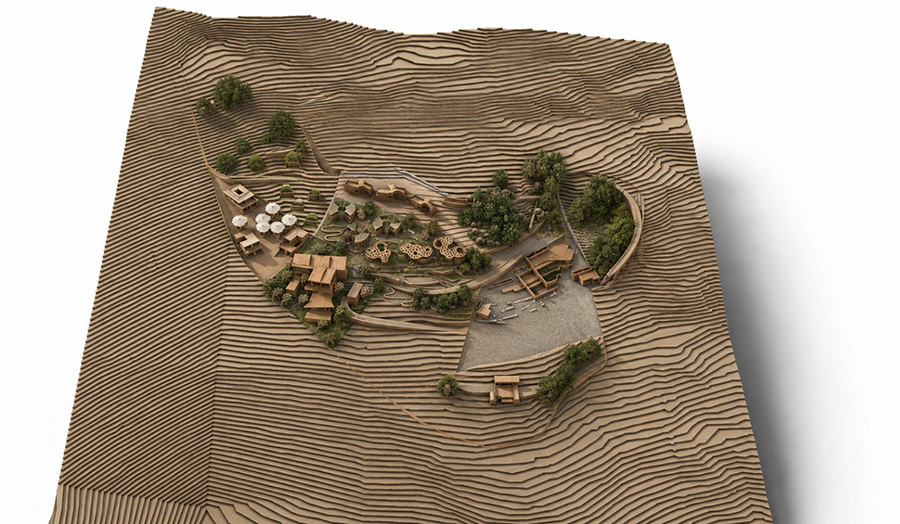
Exploring identity, place and belonging through proposing a new cultural anchor in a coastal town
Studio One will work with old and new buildings to propose a thoughtful, adaptive architecture to serve an uncertain future.
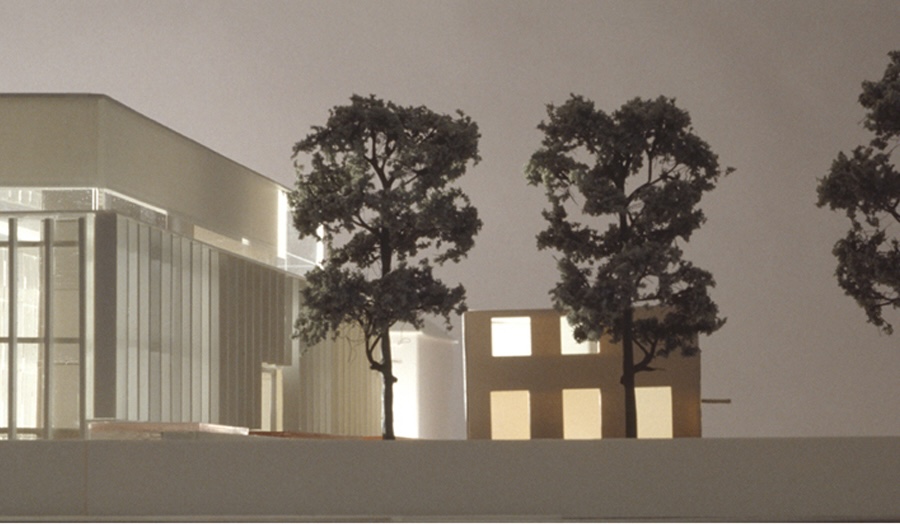
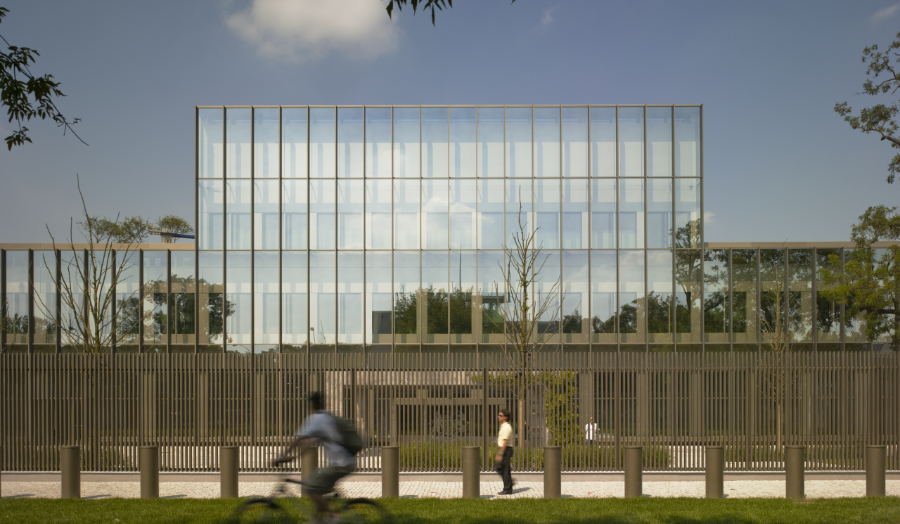
An embassy in an extensive enclosed garden in Regents Park, consisting of a chancellery, the workplace of the embassy and a residence.
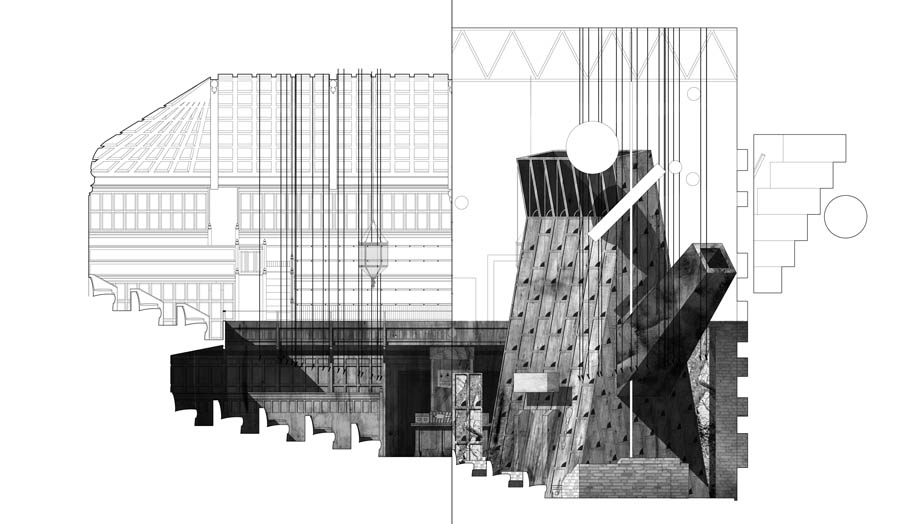
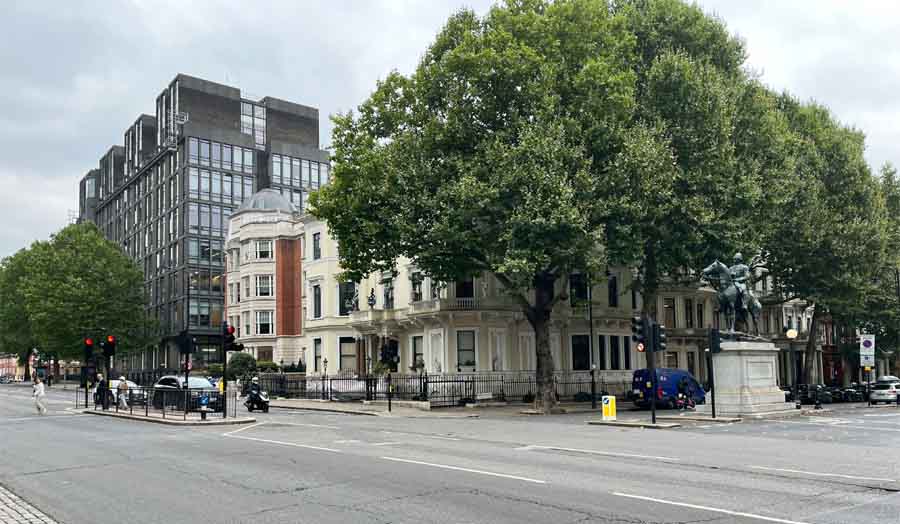
In 1963 The Royal College of Art opened a magnificent building in Kensington Gore, designed by architect H T Cadbury-Brown. In the 1970s the RCA proposed to construct another building on the adjacent site at the corner of Kensington Gore and Queensgate. Unit 2’s project in 2024-5 will be for this un-realised new building, focusing on creating strong interior and exterior character and using low energy materials.
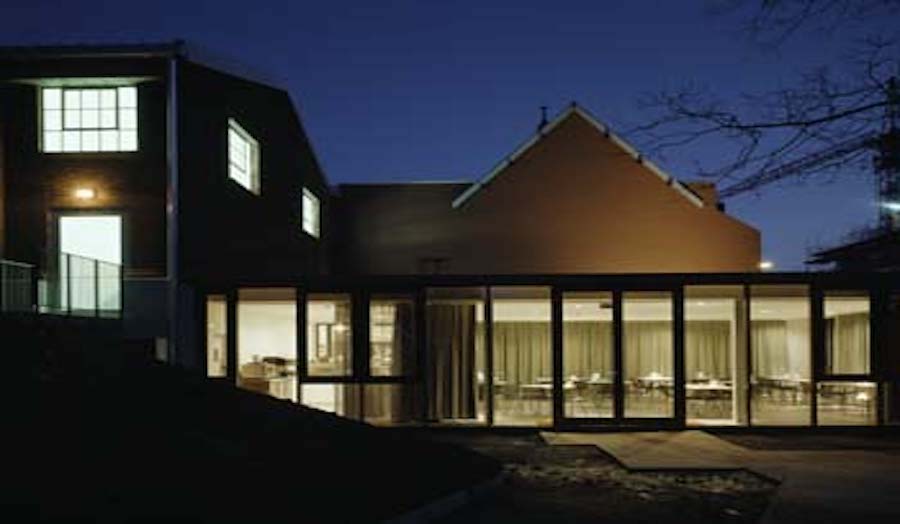
Design a new building to replace the existing Camden Arts Centre. As with all Unit 2 programs, the program this year has a high degree of reality and with some realities removed.
To design an Embassy in Park Square, a large enclosed garden in the south of Regents Park, consisting of a Chancellery, the offices of the Embassy and a Residence, the home of the Ambassador and their family, and a place of social and political gathering. There is space enough on the site to allow design in radically sustainable materials and processes.
Exploring how architecture can embody and facilitate acts of observation, making and exchange through the lens of Poetic Pragmatism, this unit will focus on the productive landscapes of Park Royal in West London.
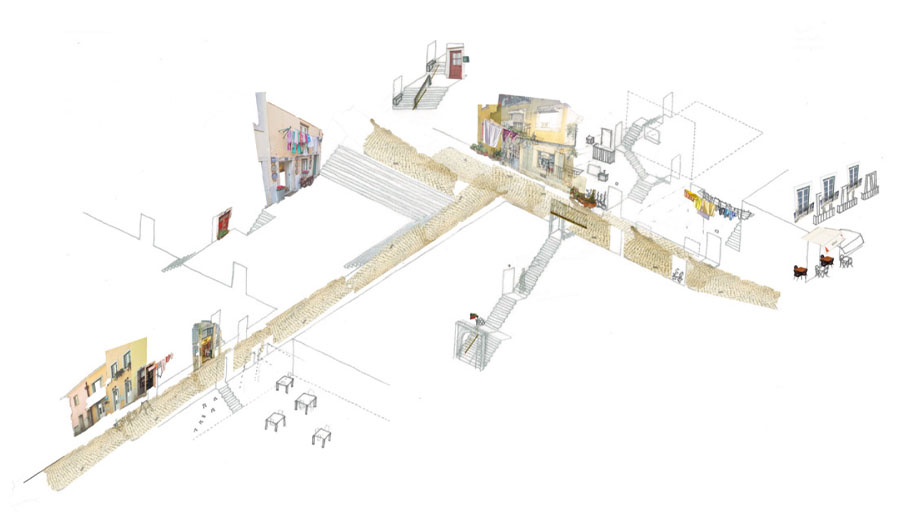
Studio 2 returns to Portugal to examine the changes associated with our post-pandemic world. The pull of the city to the detriment of rural life has been a long-established reality here but now that many have accepted a more fluid relationship with work, study and home life, has the seemingly inexorable pull of the city been slowed or even reversed? What can our cities learn from the past three years and how must our buildings respond to the change?
Times of birth and death represent the two most momentous times of our lives, and those of our families and friends. Often, the spaces where these events are played out are ill considered and show scant regard for what is happening inside, and here too, people’s power and agency is often disregarded. We will make proposals that suggest an alternative to the current norms. “I have now decided that…….. I’d like my death to be as interesting as my life has been.” David Bowie
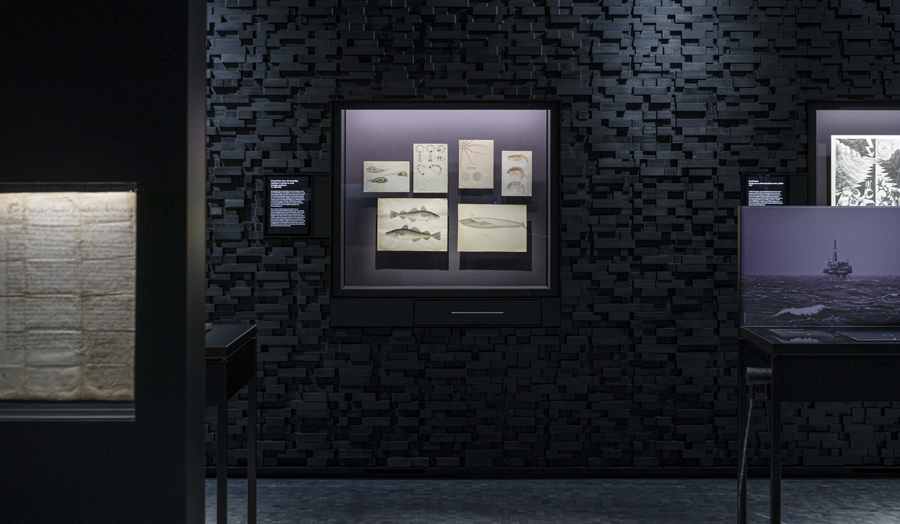
This year our studio will be designing a major public building in East London by the Regent’s Canal. The brief will be to design an art gallery or museum, that includes an archive and learning spaces around a collection of objects or art. The response will need to challenge traditional display; discussion, debate and learning embedded in the whole. The studio’s theme builds on our work at Nissen Richards Studio, where we have a particular focus on cultural buildings and narrative spaces.
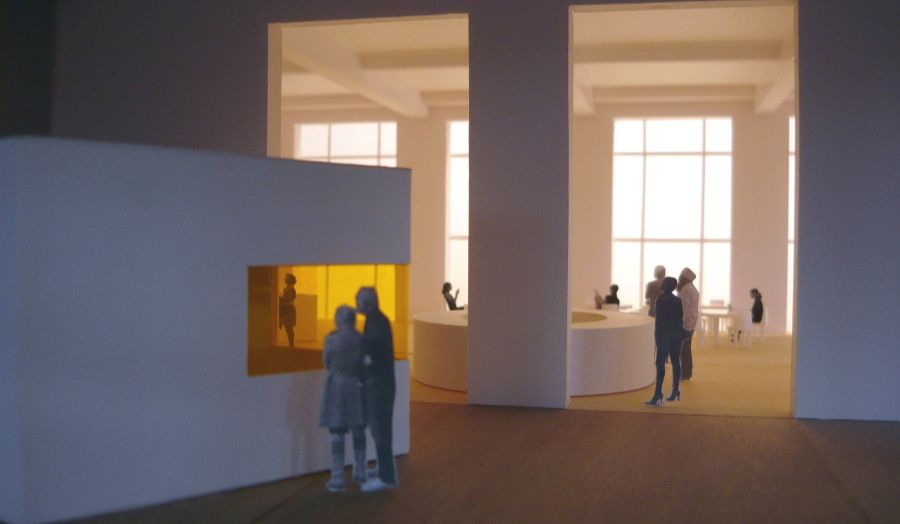
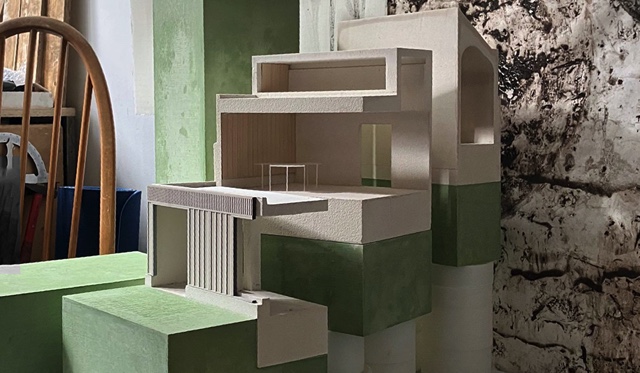
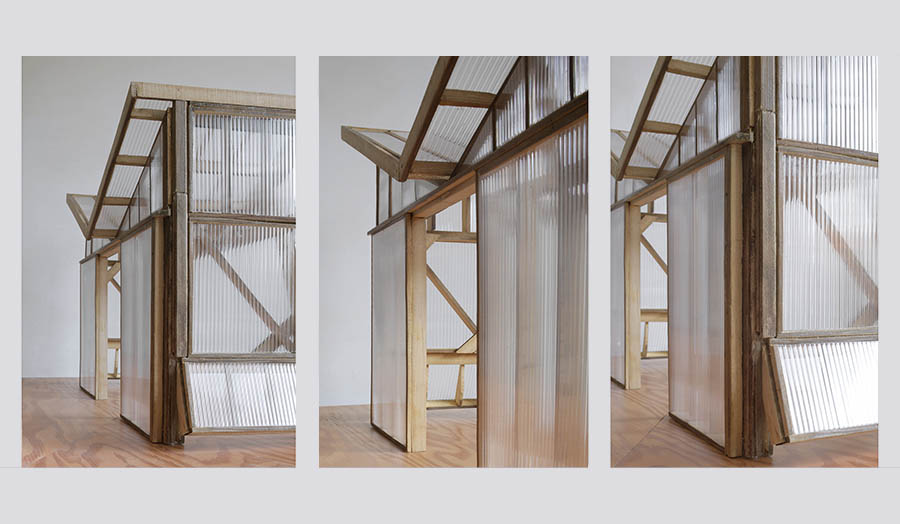
This unit will explore the collective themes of ‘Language – Method – Care’ through the practice of economical reuse, doing so through precedent studies and model making, in collaboration with Network Models Archive and Drawing Matter.
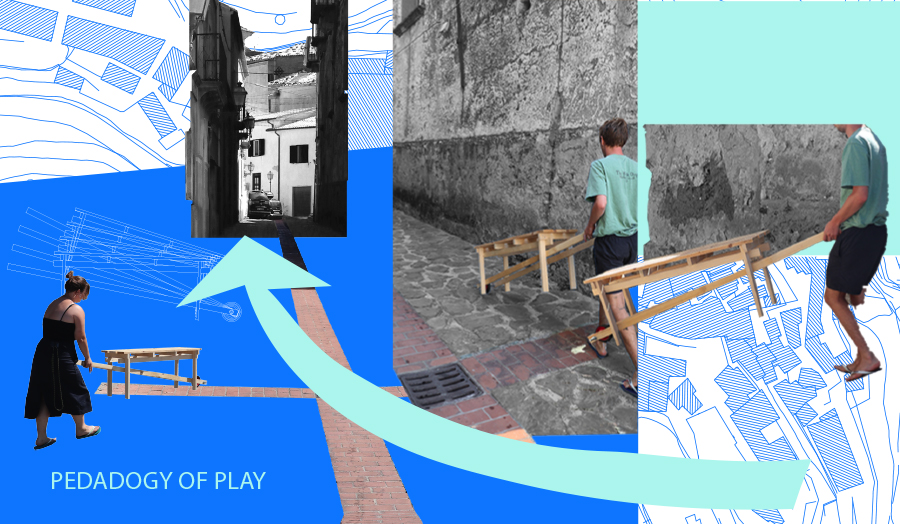
Overview “The difference between play and what is regarded as serious employment should be not a difference between the presence and absence of imagination, but a difference in the materials with which imagination is occupied.” John Dewey ‘SCHOOL OF EVERYDAY PRACTICE’, will establish a sustainable platform to foster long-term knowledge exchange and growth for the village of Belmonte, Calabro. It will combine new industries with the everyday, initiate forms of playful governance.
This project imagines a textile factory set within the fabric of Belmonte, a partially uninhabited hill village in Calabria, Southern Italy. It is intended to entangle small, medium, and large scales of tectonic, social and cultural processes. It is in favour of architecture as a social ecology as opposed to picturesque conservation.
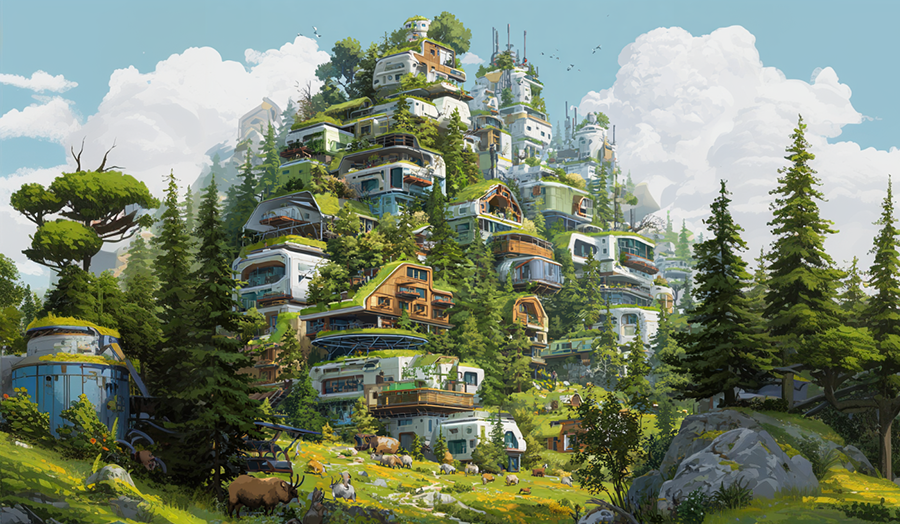
Projected Topologies is a speculative design studio exploring new forms of collective, off-grid living on a hilltop site in rural Greece. Students develop proto-architectural systems that fuse building and landscape, working collaboratively in first-person perspective through Minecraft, AI tools, drone scanning, and film. The studio projects design futures across 10, 50, 100, and 1000-year horizons, responding to the climate emergency with net-positive ecological ambitions.
It is imperative to urgently address the environmental impact and energy consumption associated with building construction. Unit04 reconsiders the conventional use of materials and resources, as well as the tools of 1st person design, manufacturing, testing, simulation and spatial experiences explored via moving images, in favour of an architectural approach that contributes more to the environment than it detracts from it.
Unit04 continues its quest and exploration of how 3D scanning techniques and a range of emergent digital media allow us to work on a higher level of specificity when it comes to a time based ecological architecture forging an integral bond between landscape and building. What other/new forms of digital transformations can we utilize? Can emergent technology propel our search for a regenerative architecture?
Working on several UNESCO world heritage sites in Sicily as an integral part of provincial and rural development in collaboration with invested actors. You are asked to imagine, design, and develop a time-based architecture adding a layer to the historical palimpsest of an UNESCO world heritage site. Unit04 urges you to regain the agency of architecture as the harbinger of change, delight and vision adding equally precious layers to the present and the near future to the palimpsest of the site.
Complete Topologies is a speculative design studio exploring collective living on complex terrain in a time of climate emergency. Students design a Commons: a public building with a medium- to long-span structure, resolving landscape, ground, inhabitation and ecology as one system.
This unit will explore architecture through two intimately connected scales: the room and the city. We will consider what makes a good room and what makes a convivial city, and how the two are connected through the threshold between private and public life.
The studio will be proposing new types of school buildings for London. Working in the context of an uncertain future, we will design at a range of scales to explore the potential of school architecture to inspire and engage children and be resilient to changing needs and climate. Robustness and longevity will underpin the studio’s work with each proposal developing a close understanding of materials, tectonics and construction methods.
This year the studio will design a new housing typology for Glasgow: A new tenement. We will look at the specific spatial characteristics of a home in the 21st Century city in a housing crisis, and how, in a commodified housing market, a typology can create a sense of community. We will help you develop a close understanding of materials, tectonics and construction methods with proposals that are practical, robust and tied to how people live
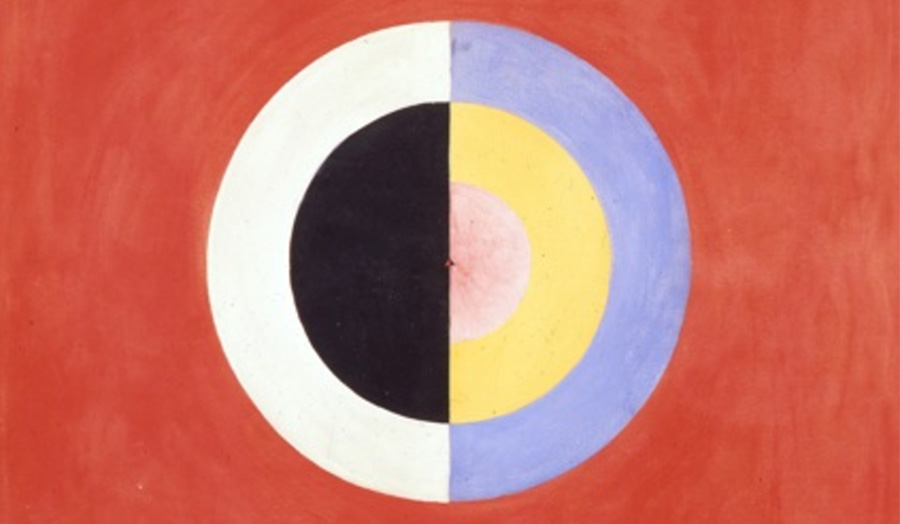
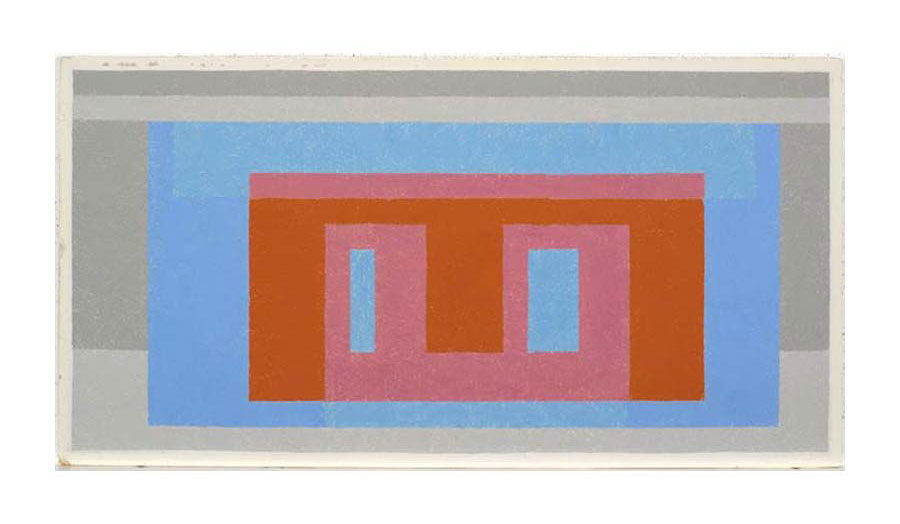
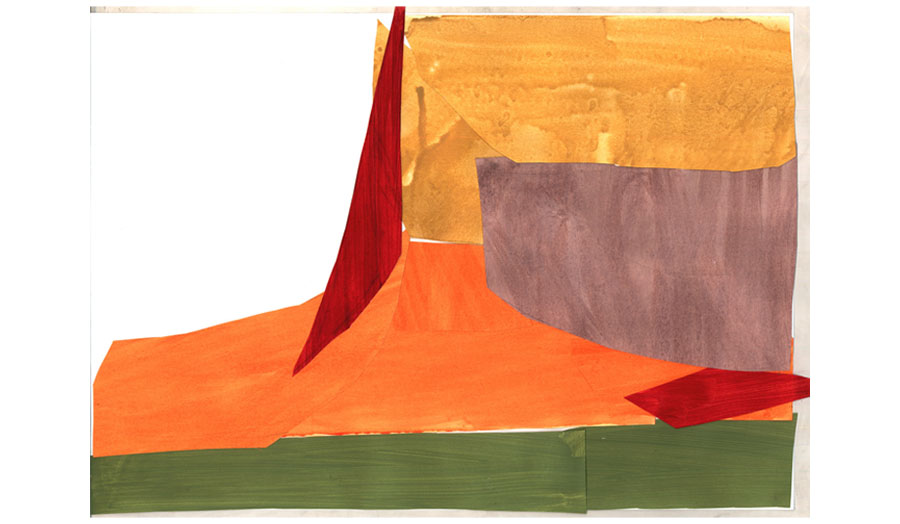
This unit will continue its interest in language, and this year will focus on the invigorating potential of colour and abstraction in architecture.
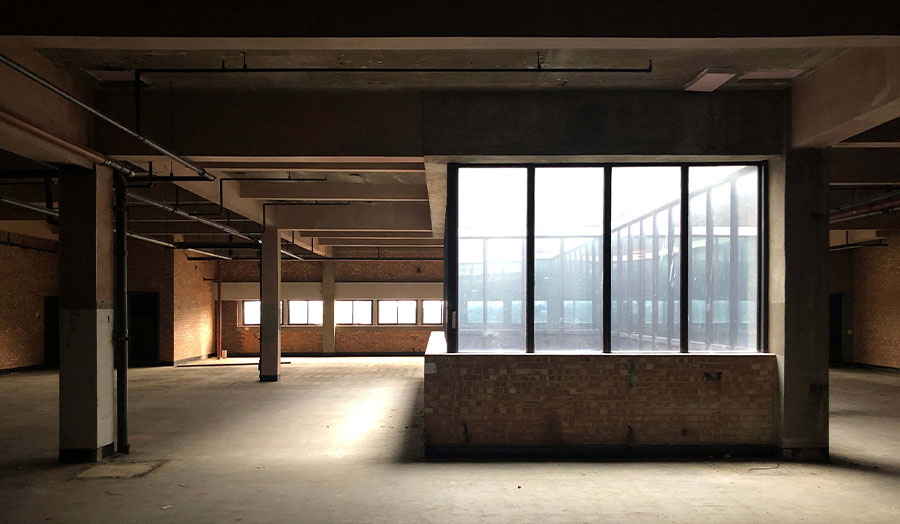
In the context of the current energy, climate, and cost of living crises, we will explore the possibilities of the conversion and creative reuse of existing buildings in North East London.
As the world and our environment is quickly changing around us and our lives are increasingly becoming more complex, we will ask you to think about and design a simple house whose interior is a kind of sanctuary, a place you can feel at home.
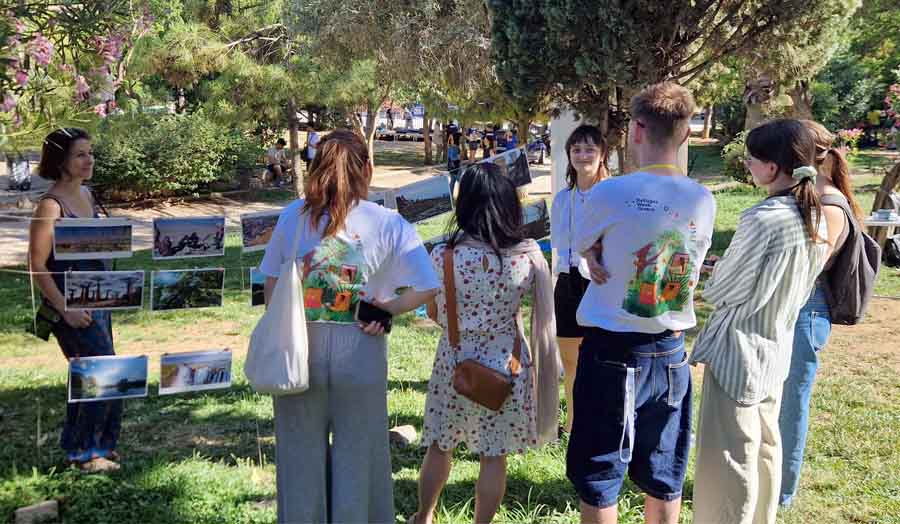
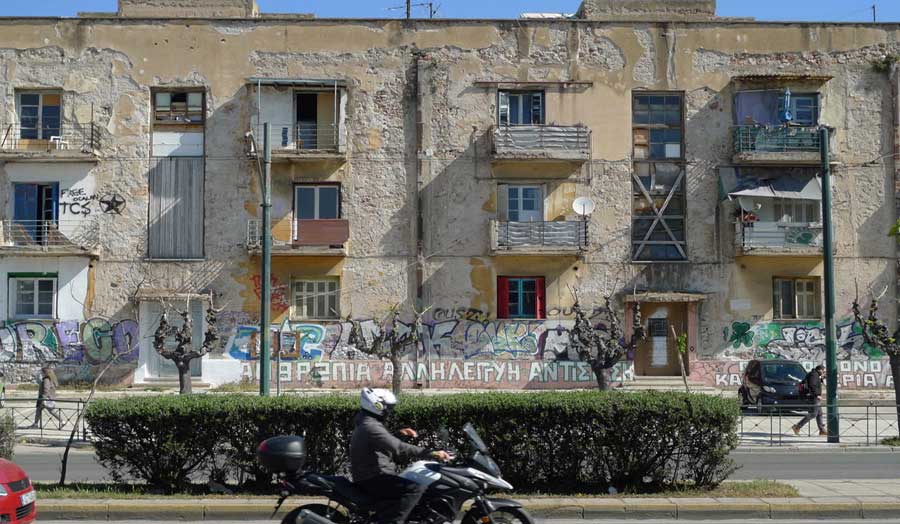
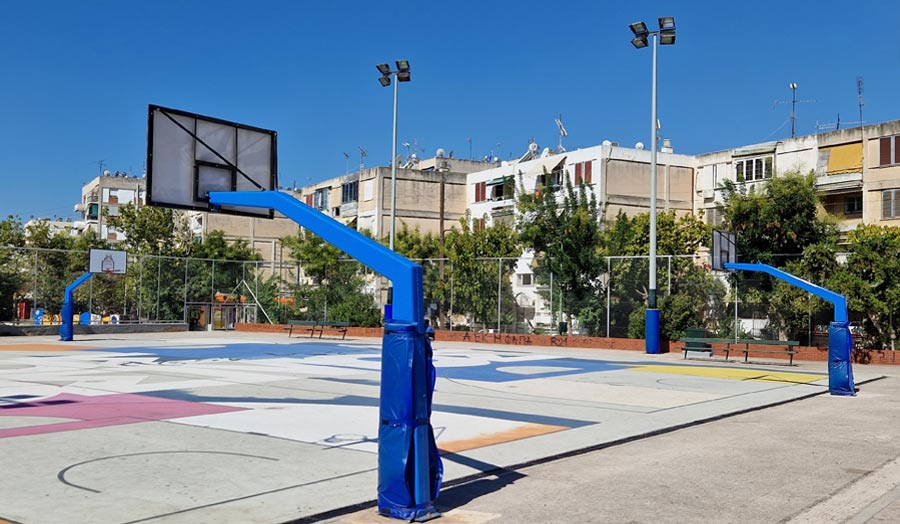
Unit 06 will explore prosfygika (refugee housing) and social infrastructure in the Tavros neighbourhood of Athens, Greece.
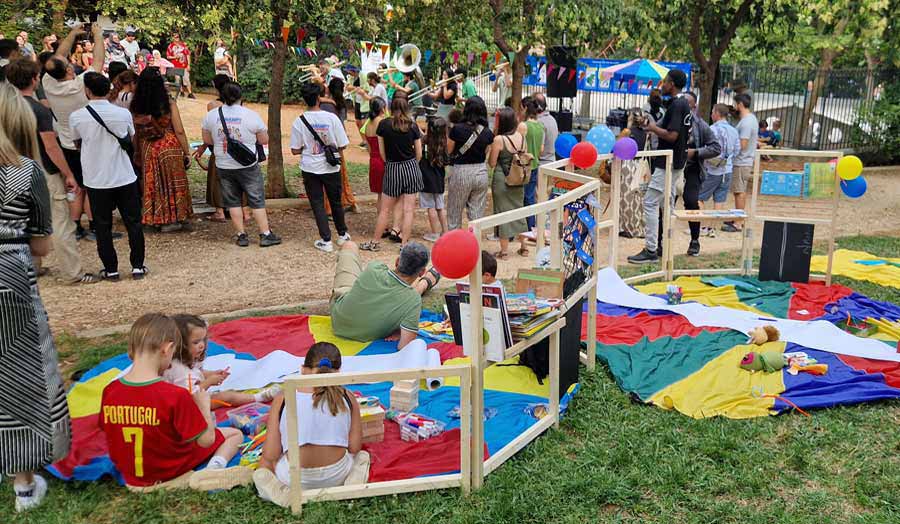
ARCSR Unit 6 (2025–26) explores the River Lea as a Living Lab for participatory architecture in response to climate emergency, post-industrial change, and social fragmentation. Students will work with local communities to design festivals, shared spaces, and ecological interventions, moving from micro-site prototypes to a collective Festival Framework. The year includes skills-based volunteering days and will conclude with a public event and exhibition of student work on the Lea.
“Never demolish, always transform. Transformation is the opportunity of doing more and better with what is already existing. The demolishing is a decision of easiness and short term. It is a waste of many things — a waste of energy, a waste of material, and a waste of history. Moreover, it has a very negative social impact. For us, it is an act of violence.” Lacaton & Vassal, Winners of the Pritzker Architecture Prize 2021. Unit 06 will explore housing and social infrastructure in Athens
Unit 06 will explore prosfygika (refugee housing) and social infrastructure in the neighbourhood of Neos Kosmos, Athens, Greece.
This year, the studio will once again be undertaking a live project, the construction of a greenhouse in a part of North London’s Green Belt that has become a little more ‘grey’ than green. The major project will address a self-build settlement on the same site.
This year, the studio will explore, again through the lens of Poetic Pragmatism, how architecture can embody and facilitate refuge. Our investigations will address two distinct sites: the intersection of Plumbers Row and Mulberry Street in Whitechapel, London and the remote settlement of Shingle Street in Suffolk.
The studio will continue to address how global heating impacts upon the practice and production of architecture, in this case, through the design of low and medium-rise housing for social rent in east London.
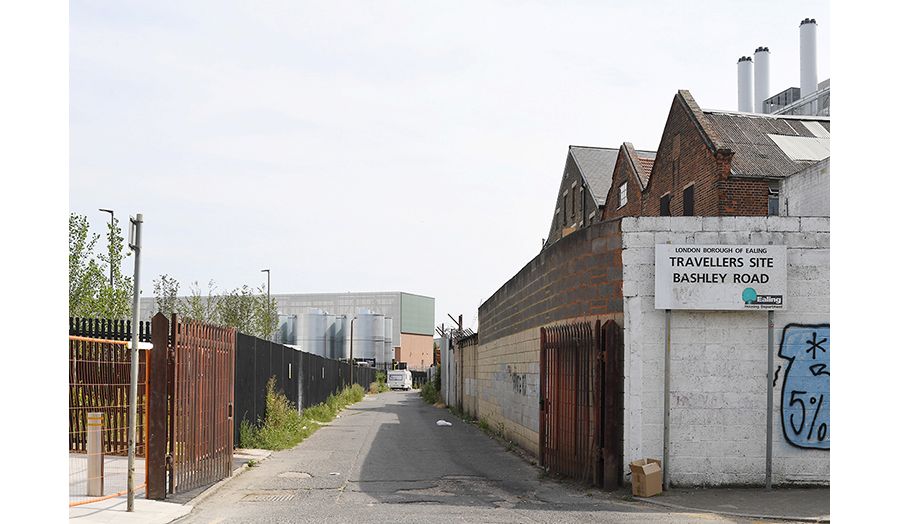
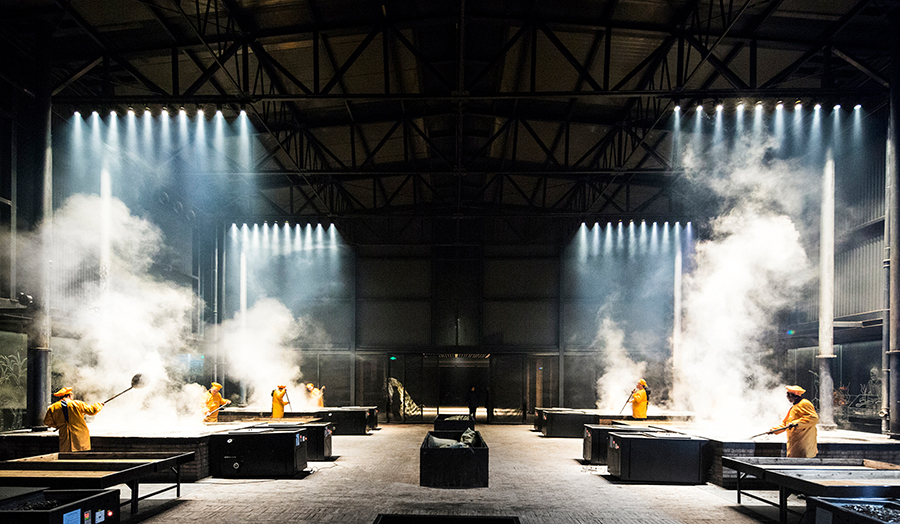
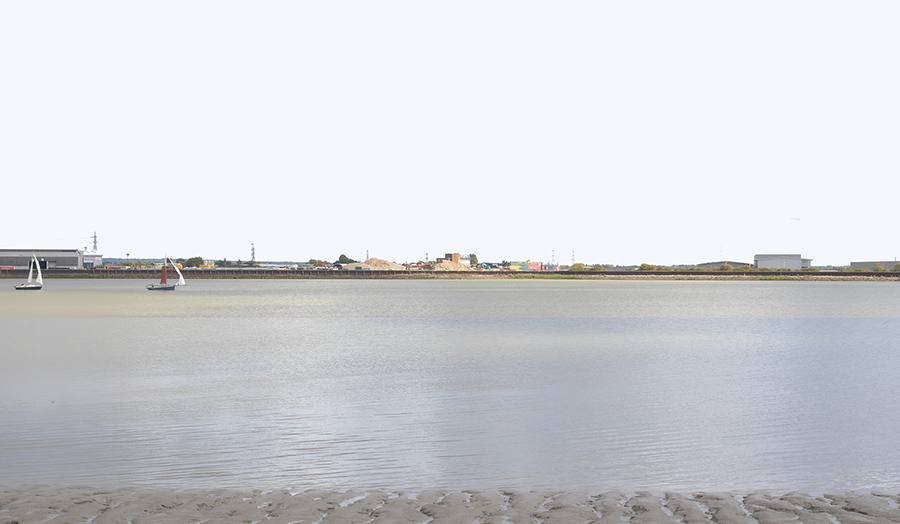
The design of a low embodied and operational energy factory for the fabrication of engineered timber components and pre-fabricated planar elements on a site on Frog Island, Rainham.
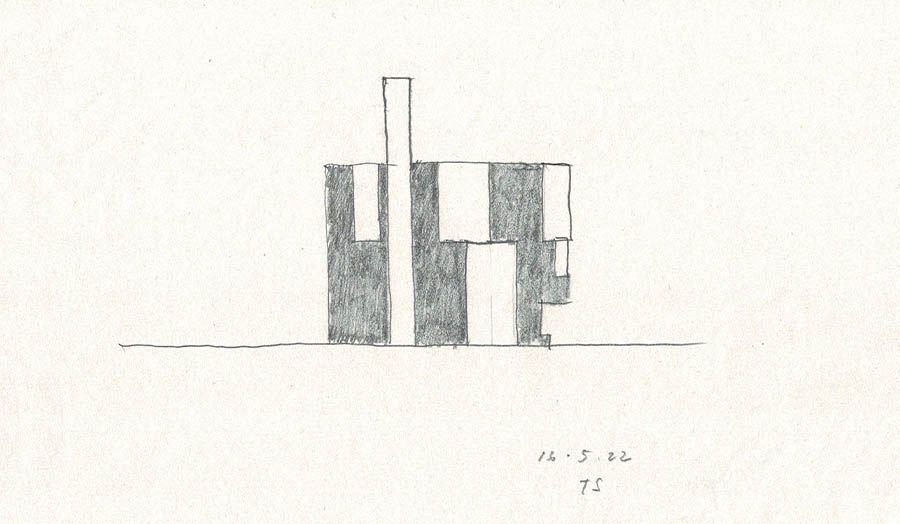
This year, Unit 8 will explore the role of impermanence in architecture. The Unit will do so through an explicit focus on the process and production of drawings, in collaboration with Drawing Matter.
This year, Unit 8 will explore what it is like to work through reusing existing buildings, in order to create architecture that resonates with a city’s history and culture.
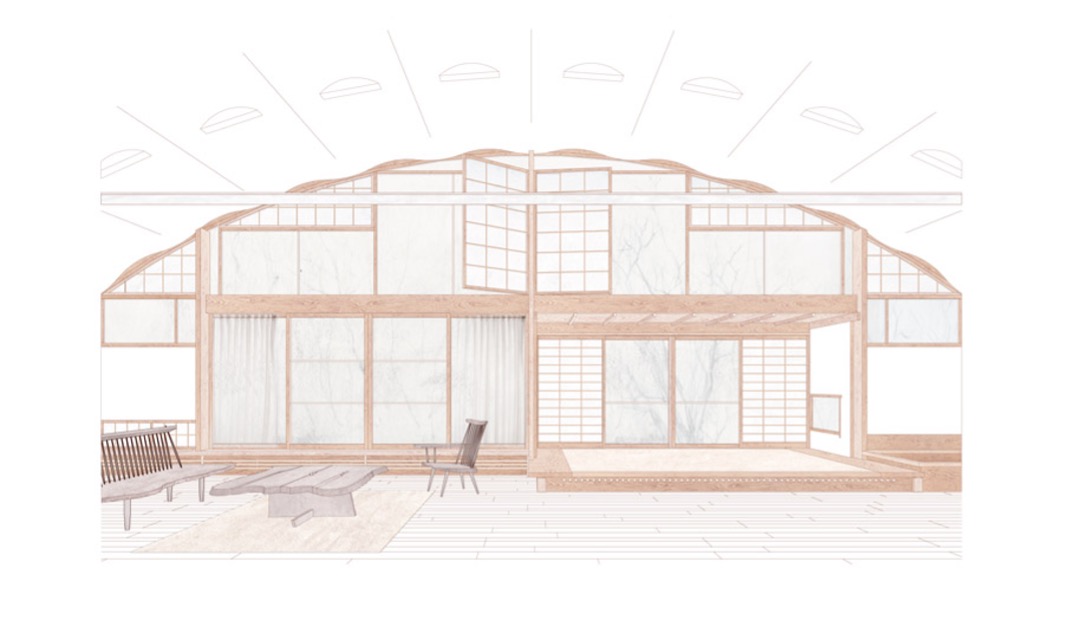
Starting from the concepts of 余白と間 – yohaku and ma, we will focus on existing sites in London – proposing a future life for overlooked buildings, structures, and landscapes to incorporate new public programmes. We will continue to work with the notion of re-use – challenging ourselves to propose ambitious, civic architecture using an economy of means within our current climate crisis.
This year, Unit 8 will work with a theme of tolerance in architecture practice and design, exploring a way to design that is embracing of the anomalies and the ‘uncontrollable’ physical elements in the idea of re-use. We welcome Katherine Nolan and Alex Butterworth of Studio KA to our teaching team, collaborating and exploring the potential of re-use in architecture today and for the 21st century.
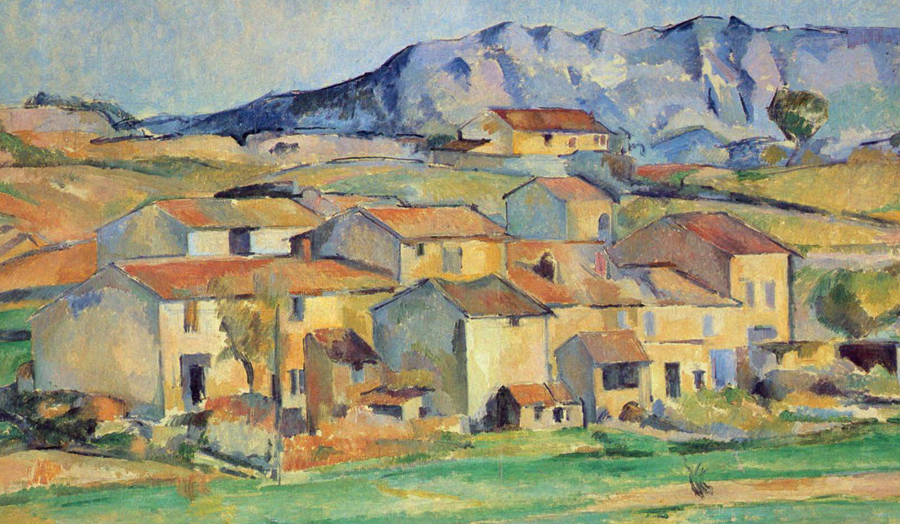
Drawing on Schumacher’s Small is Beautiful (1973), Unit 9 explores designing simple, economic architectures within a small community at the Moulin de Croisance in the Cévennes National Park. Inspired by Cézanne’s modest hamlet in Meyreuil, where buildings share proportions and materials, we embrace locality and reuse. Our aim is to foster meaningful place and community through an evolving concept of “slow architecture.”
This year Unit 9 will address the pressing issue of affordable housing, across existing buildings through adaptive reuse on four sites within South Shoreditch, London. Amongst the many considerations an architect must engage with from communities and context to construction and cost, we will not be forgetting to talk about The Visual Pleasure of Buildings.
This year Unit 9 will base its projects in London and focus its programmes to address the inequality of housing provision towards young people and key workers.
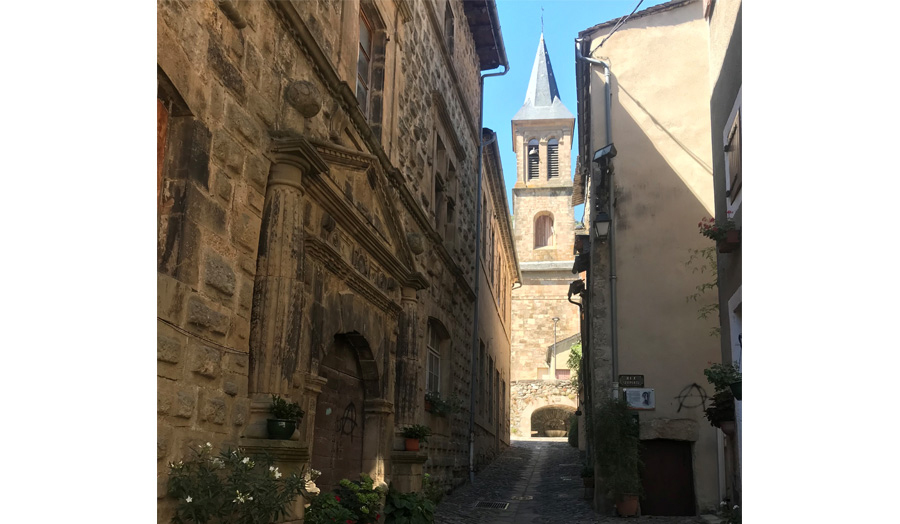
This year Unit 9 will undertake live projects, focusing its attention on the remote hill town of Florac in the French mountains of the Cevennes National Park. Working with the local mayor we will design a cluster of houses, gardens and workshops.
Art, Architecture and Design Studios in 2022
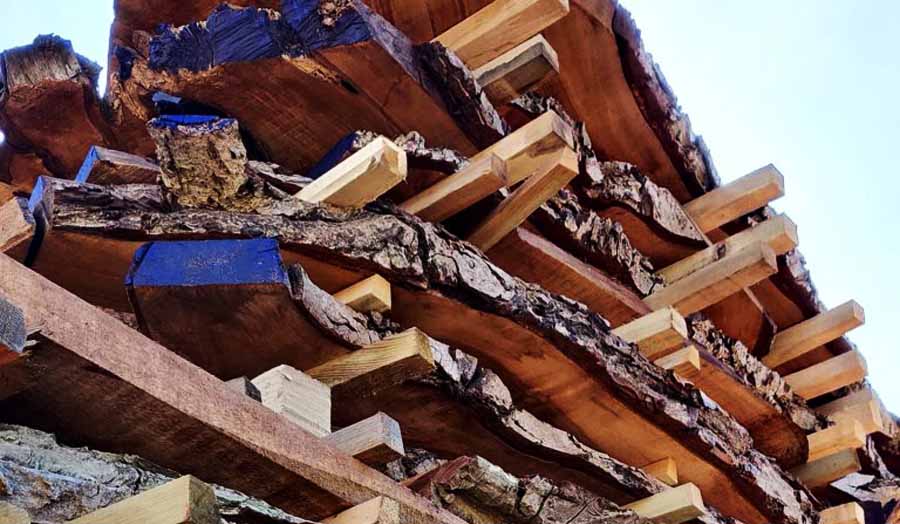
At a time when architects need to address the implications of their professional activity and their use of resources, the unit will concentrate this year on the idea of repair, modest form, and the softer beauty found in nature. The Japanese aesthetic of Wabi Sabi is a more earthy alternative to the modernist view of technological progress. The Unit will explore this alternative view in a first project to restore a dilapidated 500-year-old barn in Suffolk on open farmland.
The studio will investigate the theme of Second Life in the context of the design of buildings. Our interest is wider than the theme of Reuse and will address the broader question of a Renewal of our approach to construction, moving towards a future where buildings are indivisible components of a regenerating ecological system. With an interest in imagining alternatives to our problematic present, our main project will be the design of a timber building for a Housing Collective in south London.
The year’s design project will examine environments for learning, and focus on the design of a school in North London with classrooms and a garden. We will visit sites of ecological interest with an ecologist, and study the ideas of artists and architects interested in nature. We will look for underlying relationships in the natural world that might provide a model for human inhabitation.
Studio One proposes buildings which have a deep appreciation for time, place and belonging

.jpg)
_Eugene-Atget.jpg)