Finding ways to better understand potentially damaging future events – from low rainfall to banking crises – is in everyone’s interest. Environmental, economic and regulatory organisations seek not only to understand but to prevent such events, using data to model how they occur.
Researchers at London Met developed the Generalized Additive Models for Location, Scale and Shape (GAMLSS) to enable more realistic modelling of phenomena. GAMLSS, created by Prof. Mikis D. Stasinopoulos and Prof. Robert A. Rigby, has in turn supported the development of more effective policies to help mitigate risk in a remarkable range of settings.
In the financial sector, for example, GAMLSS was used by the International Monetary Fund (IMF) for a stress testing exercise of the US economy, yielding findings that led to specific recommendations including regular stress tests and more intensive monitoring.
GAMLSS has been used by statisticians across the financial regulatory sector and beyond, including by the European Parliament, Bank of England, Standard Chartered Bank, and Bank of America to develop credit risk models, assess possible banking crises, and estimate UK mortgage market vulnerabilities.
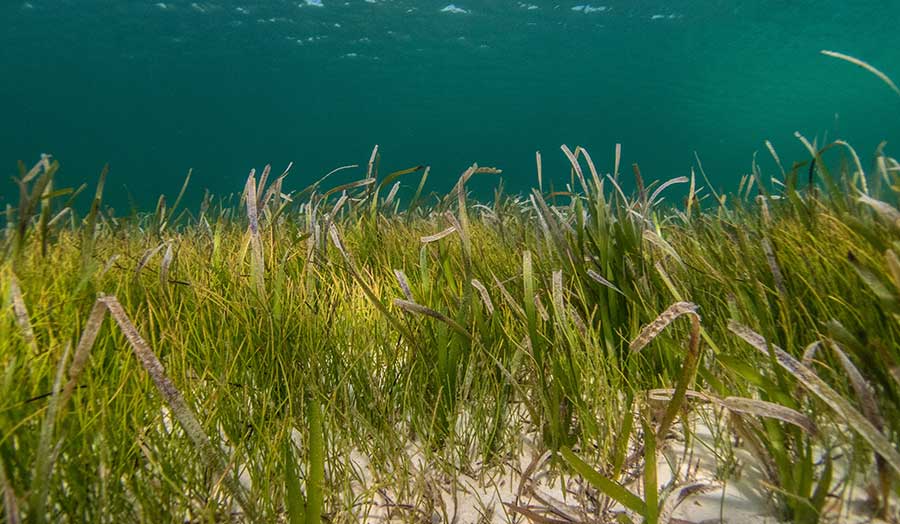
The impact of GAMLSS goes beyond mitigating financial risk: its environmental applications have included developing an artificial weather generator for water resource model by Southern Water and monitoring seagrass meadows – one of the planet’s significant carbon absorption assets – in the Great Barrier Reef.