
Apply for this course
Please select when you would like to start:
Are you a UK student applying to study full-time this January? Call us on 0800 032 4441 or apply online.
If you're a UK applicant wanting to study full-time starting in September, you must apply via UCAS unless otherwise specified. If you're an international applicant wanting to study full-time, you can choose to apply via UCAS or directly to the University.
If you're applying for part-time study, you should apply directly to the University. If you require a Student visa, please be aware that you will not be able to study as a part-time student at undergraduate level.
If you're applying for a degree starting in January/February, you can apply directly to the University.
Apply to us for January 2027
If you're a UK student or an EU student with settled or pre-settled status applying to study full-time this January, you can simply call our hotline on 0800 032 4441 or apply online.
Why study this course?
During your degree, you'll gain a strong understanding of the film and television industry and its significance across the globe. Through practical learning you'll develop an array of transferrable skills, preparing you for a huge choice of roles in the cultural industries or for further study.
The course shares a common first year with our Film and Television Production BA, which covers essential knowledge of the film and television industry and basic audio-visual skills. You'll specialise in academic, historical and cultural analysis of film and television.
Learn from industry professionals
Our Film and Television Studies teaching staff are internationally renowned experts in their field and have appeared on Channel 4, BBC Radio and at the British Film Institute amongst other establishments
Second in the UK for student satisfaction
Our drama, dance and cinematics courses ranked second in the UK for student satisfaction in the Complete University Guide 2025
Third for student experience and seventh for teaching quality
Our drama, dance and cinematics courses are ranked third in the UK for student experience and seventh for teaching quality(Sunday Times Good University Guide 2026)
Course modules
The modules listed below are for the academic year 2026/27 and represent the course modules at this time. Modules and module details (including, but not limited to, location and time) are subject to change over time.
Year 1 modules
Year 2 modules
Year 3 modules
Approaches to Film and Television Studies
This module currently runs:spring semester - Monday morning
(core, 15 credits)
This module introduces key approaches to the study of film and television as academic
Disciplines, forming a basis for future study through the Film Studies film course.
You will learn to apply these theories and develop an understanding of the relationship between text, theory and the wider study of film.
You will be introduced to a range of theories, encompassing such topics as documentary theory, audience studies, quality and reality television, theories of spectatorship and psychoanalysis, feminist film theory and the male gaze, film and post-modernism, which you will need for following studies.
In this module you will:
• Learn about key theoretical approaches to the study of film and television
• Apply theoretical models and frameworks to film and television analysis
• Have to opportunity to evaluate different theoretical frameworks
• Develop transferable skills of communication, planning and presentation and to gain feedback on ability to do this
Read full detailsDigital Skills
This module currently runs:spring semester - Thursday afternoon
(core, 15 credits)
In this module, you will be introduced to the creative digital skills required for an undergraduate degree and career path in the creative industries, digital media, and journalism.
This digital literacy module provides an introduction to the software and practical skills required to produce a creative online presence and build a professional profile. You will be encouraged to develop your media practice utilising a range of tools and software packages. These skills in image production, for game and web design, desktop publishing and micro-blogging will be utilised in the development and presentation of CV's, promotional materials, posters, and flyers. The work you do on this module will be presented in a portfolio of digital practice and expertise, and you will additionally develop important skills in managing data and media assets in creative digital packages.
You will be introduced to key aspects and notions of employability. You will make use of these skills, knowledge, and understanding to plan and develop your career. You will reflect on your personal attributes, and examine the essential skills demanded of your favoured occupation. You will be encouraged to make use of these skills and knowledge to begin building your professional network and to formally and systematically consider your career development goals and strategies.
You will explore the ways in which digital media has transformed the nature of work and the development of careers. You will be encouraged to employ critical methods in the understanding of and analysis of digital media in the workplace context and explore opportunities for developing digital and media careers.
This module aims to:
• Equip you with the digital skills needed to prepare and present your work in the appropriate manner for your chosen field.
• Develop data and file management skills fundamental to the creative and media industries.
• Develop reflective practices by reviewing the needs of a design brief.
• Build confidence working with digital files, applying a range of document design and editing techniques.
• Allow you to better present your work for its intended audience.
Film Theory and Film Style
This module currently runs:autumn semester - Monday morning
(core, 15 credits)
This module introduces students to the formal characteristic of film in conjunction with key Film Studies critical tools.
The purpose of the first part is to introduce students to matters of film style and meaning such as mise en scene, framing, editing, sound, costumes and tone, enabling students to develop skills of textual analysis.
Students will also learn about key theories such as Star Studies, Authorship and Genre so that you can apply key theoretical models and frameworks to film analysis.
In this module you will:
• Develop and practice skills of close textual analysis of specific film texts
• Develop an understanding of key theoretical approaches to the study of film
• Apply theoretical models and frameworks to film analysis
• Have the opportunity to evaluate different theoretical frameworks
• Develop transferable skills of written communication, planning and presentation and gain feedback on your ability to do this
Read full detailsMedia, Film and Television Histories
This module currently runs:autumn semester - Tuesday morning
(core, 15 credits)
In this module you will study the history of the mass media with a particular focus on film and television histories. You will learn about key technological and cultural developments, and theoretical arguments and debates that have emerged in response to these. The module explores the development of photography, moving image, film, animation, and sound recording by relating the technological changes to both their socio-cultural contexts and emerging theoretical perspectives. The module also provides you with a grounding in key academic skills including research, academic reading, and delivering presentations.
The module aims to:
• Provide you with an introduction to the study of media and communications and film and television and their various rationales and methodologies.
• Promote your critical understanding of the history, content and structures of the major media industries and examine the social, political and economic factors which shape them.
• Develop your understanding of the development of debates and theoretical contexts related to the media, film, television and their related technologies.
• Develop and encourage your confidence in the use of appropriate learning, analytical and discursive skills in both oral and written argument, and help you acquire key academic research skills.
Moving Image Practice
This module currently runs:autumn semester - Monday afternoon
(core, 15 credits)
This is a highly creative and practical module which will introduce students of differing abilities to each of the fundamental stages of moving image (digital video) production, from development to filming to post-production, through a variety of weekly studio-based practice workshops and classroom exercises.
You will learn how to develop and pitch a short film based on study of genre and film style theory, how to prep your shoot through the use of storyboards and pre-production research, and then shoot and edit your project through knowledge of filmmaking acquired during the module.
The key skills and knowledge you will be expected to acquire and develop are:
· Understanding of moving image practice through the study of key filmmaking theories and principles such as visual composition, genre and film style (mise en scene, cinematography and editing)
· Understanding of digital video production techniques through study and practical workshop use of camera, lighting and editing technologies
· Understanding and experience of different production roles (director, producer, cinematographer, editor) and collaborative filmmaking through working in small film project groups
· Understanding and experience of professional industry methodology which will provide you with a range of potentially employable skills upon graduation
· Understanding and development of communication skills through learning how to present a film pitch, collaborative teamwork and critical reflection
Revolution of Film and Television: 1950 to the Contemporary Media World
This module currently runs:spring semester - Tuesday afternoon
(core, 15 credits)
Film and television since the 1950s has periodically undertaken significant shifts in terms of production, texts, audiences, and relation to politics, society, technology, and culture. This history reads as a series of revolutionary changes and developments. This module introduces students to the revolutions and history of film and tv from 1950 to date.
Students will explore key developments in the history of film since 1950 such as the series of waves and new approaches to realism; the development of European and international art cinema; the impact of television upon film; the development of the blockbuster and franchise model of production; the relation of film to political history; new social movements and cinema; the emergence of third-cinema and postcolonial film; postmodern film movements; and the digital revolution impacting film and television streaming. You will identify key aspects of these revolutions in national cinema, new realism, art cinema, relations to technology, society, culture, politics and history. The transformation of Hollywood and ambition of Italian Neorealism, the British New Wave, the French New Wave, European and International art cinema, and new American cinema will be discussed and you will analyse editing techniques, elements of mise en scene, and cinematography. The emergence third-cinema, film of the global south, and post-colonial texts will be evaluated. Postmodern movements, such as Dogme 95, and the move to digital platforms will be critically assessed.
Students will understand key moments in the revolution of film and tv and be able to contextualise within broader cultural, industrial, technological, political and social contexts.
Attention is primarily given to feature films, but documentary, experimental, and non-canonical films will be scrutinised, and both feature and short-length will be screened and considered.
Read full detailsSound Design for Linear Media
This module currently runs:spring semester - Monday afternoon
(core, 15 credits)
Audio plays a key role in various forms of digital and visual media, and so this module aims to give a grounding in the fundamental theory and practices in audio recording, post-production, and sound design in linear media formats.
Through completion of this module, you will develop core transferable skills working in sound that will support practice in a range of media industries, including music production, film, television and games.
You will be introduced to a broad range of techniques in audio production for linear media formats, including, location and field recording, foley, tracklaying, sound design and audio mixing.
By taking this module, you will have the opportunity to complete a portfolio of exercises and projects that will develop your creative, experimental, and technical skill in working with sound. By reviewing existing works and evaluating the outcomes of your own projects, you will also develop critical listening and thinking skills.
Aims of the module:
● To devise the study of theory, literature, and techniques of audio for media
● To provide students with key skills and knowledge in audio production for linear media
● To explore practical, hands-on examinations of the technical and creative processes of sound design
● To develop students’ ability to describe working processes and to present work-in-progress for different audiences
● To develop students’ ability to be analytical, reflective, and critical.
Writing and Research Skills
This module currently runs:autumn semester - Thursday afternoon
(core, 15 credits)
This module will equip students on courses in creative technologies, media and journalism with essential transferrable skills of good writing and also introduce them to basic research and academic writing skills.
This module aims to develop good writing in a variety of ways, focusing on expectations and standards in the professional and academic environments; your studies on this module will include two major elements: good writing principles for your future profession, and academic writing skills for your higher education.
This way, you will first study what makes a good text: from the principles of clarity, brevity and simplicity to developing personal style. You will examine different types of texts, their communicative purposes and expectations in the professional world, as well as structure, narrative and storytelling principles, from emails and blogs to professional reports.
In the second part of this module, you will focus on a crucial skill in higher education: academic research, writing, and referencing. You will learn to search for, review and analyse information in academic and non-academic sources, extract relevant information, and use it to develop and support your argument in academic writing or other forms of presentation. You will examine and practice the specific language of academic writing, the structuring of academic texts and the goals and principles of academic referencing.
In addition, this module will help you develop confidence and creativity in writing, techniques to overcome writer’s block and ‘fear on a blank page’ and working in teams on creative and academics tasks to foster inclusive team-working skills.
In class you will learn through a combination of lectures and practical classes, with weekly writing tasks. You will be assessed through a series of blog posts, a written report and weekly online journal contributions.
Read full detailsContemporary European Cinema
This module currently runs:spring semester - Friday morning
(core, 15 credits)
In this module you will study a variety of contemporary films in relation to their specific cultural, historical and social contexts, considering the way in which national identity is imagined, interrogated and contested in these films.
You will explore contemporary European cinema through a variety of themes.
The themes are linked with important contemporary issues of Europe’s social experience. They might include European cinema and the idea of Europe; national and transnational cinema; European art cinema; popular European genres; history, memory and the national past; the European road movie; the city film; space and place in European cinema; stars as national and transnational icons; Post-colonial cinema; migrant and diasporic identities in contemporary Europe; ‘Fortress Europe’; transgender and queer cinema; European co-productions and women’s cinema.
In this module, you will:
• Study a variety of contemporary European films in relation to their specific cultural, historical and social contexts
• Consider the way in which national identity is imagined, interrogated and contested in these films
• Explore contemporary cinema through a variety of themes linked to important issues of Europe’s social experience
Contemporary television
This module currently runs:autumn semester - Friday afternoon
(core, 15 credits)
This module provides a broad overview of institutions, economics, technologies, texts, audiences and production practices, relating to television broadcasting and its contemporary online successors. You will consider the technological and institutional histories of television in the UK and USA and examine differences between public service and commercial television broadcasting. You will examine the impact of regulatory changes, convergence with other technologies, and globalisation on the contemporary landscape of television. You will study some of television’s characteristic forms and examine their differences from other superficially similar media forms such as cinema
The aims of this module are to:
1. Introduce students to a range of a range of debates about the role of television in everyday life.
2. Encourage students to deploy critical methods of analysis from previous modules to television and develop these skills through examination of specific case studies.
3. Enable students to critically appraise the contemporary landscape of television
4. Explore changing concepts of the relationship between television forms, institutions and audiences
Location Sound and Dialogue Production
This module currently runs:autumn semester - Wednesday morning
(core, 15 credits)
In this module, you will develop professional working practices in sound production for film, including location sound recording, ADR and dialogue recording and audio postproduction and mixing.
By taking this module, you will open up pathways in film production and postproduction with relation to sound, whether it be working as part of the sound team as a recordist or boom operator, or by developing a deeper understanding of sound for your own film productions.
In this practice-based module, you will work as a part of production teams, producing a portfolio of short films and videos with a focus on audio and sound production quality. By doing so, you will work on exercises in location sound recording, ADR and dialogue recording in studio environments, and audio postproduction and mixing of sound to film.
By working in small production teams of Music Technologist and Film and TV production students, you will have the opportunity to develop professional working practices, as well as foster collaborations for later projects in your studies.
This module aims to:
• Explore professional working practices in sound for film and TV.
• Develop knowledge and understanding of sound and recording methods on location.
• Enhance team working practices in cross media productions.
• Instil best practices in audio postproduction and mixing for film and TV.
• Introduce career pathways in location sound and audio postproduction.
Stardom, Performance and Celebrity
This module currently runs:autumn semester - Monday afternoon
(core, 15 credits)
In this module you will explore ideas related to stardom, performance and celebrity, considering their significance in relation to national film industries, cultural context and issues, transnational stardom, press reception, screen identity, forms of celebrity and image branding, and developing patterns of image construction.
Over the course of the module, you will explore how film industries from the United States, Europe and the Global South have developed strategies around stardom, how films have built and reinforced mythology related to individual stars and stardom itself, and the variety of ways in which star imagery might be constructed both on and off screen. In addition, you will consider the overlaps and distinctions between stardom, celebrity and contemporary image branding as part of 21st century consumer culture. A variety of case studies will be examined through the lens of cultural context, national and transnational stardom, and the cultural significance of stars and celebrities. The concept of performance will be examined in relation to the construction of stardom and celebrity and its impact on film, television and media culture. This approach enables consideration of both these broad concepts and their illustration through individual examples. Developing core skills of both primary and secondary research, you will critically analyse a topic of your choice using this approach. Examining stars, films and industries from early cinema to the present day, you will develop on this module an in-depth understanding of ideas of film stardom and performance nationally and internationally.
In this module you will:
• Explore and debate issues of stardom, performance and celebrity
• Examine definitions of stardom and celebrity as well as the various ways in which images are constructed
• Locate and critically analyse star and celebrity images within a cultural context
• Critically analyse the impact of performance on film and television narrative, media culture and audience reception
• Develop students’ skills in original research
Television Studio Practice
This module currently runs:spring semester - Friday afternoon
spring semester - Friday morning
(core, 15 credits)
This module provides practice-based learning experience of television studio production, introducing students to the stages involved in planning, scripting and rehearsing an as-live television programme and providing experience of different roles in the television production process including performance roles and behind-camera production roles. Students will be encouraged to work collaboratively and reflectively.
The module aims to:
1. Enable students to gain experience of television studio production and develop skills in television studio practice
2. Enable students to develop a range of transferable skills in audio-visual production.
3. Encourage students to work collaboratively towards the production of an as-live television programme.
4. Encourage a critical, reflective and collaborative approach to practice-based media work
Visual cultures
This module currently runs:spring semester - Friday morning
(core, 15 credits)
In this one-semester module aims to develop students’ appreciation for and understanding of research in relation to visual aspects of culture. The module provides students with methods and conceptual tools for approaching independent research into visual culture, including art, photography, film and television, and using for visual material as a research tool.
The module builds upon students prior knowledge of theories and debates relevant to visual works and materials, and it will encourage and facilitate the development of deeper engagement with, and understanding of this area of research. The module provides preparation for dissertation research involving visual culture using visual material within research.
You will develop knowledge pertinent to the understanding of visual culture within a scholarly context, including:
● understanding a variety of ways in which the visual can be understood
● appreciation of the value of visual material in different academic research contexts
● understanding the benefits and limitations of visual material
● appreciation of issues of visual rhetoric and the politics of images
The practical and intellectual skills gained are all transferrable and highly relevant to future employment in a wide range of areas, and particularly within parts of the cultural industries specifically concerned with visual materials.
Read full detailsDigital Project Management
This module currently runs:autumn semester - Tuesday afternoon
(option, 15 credits)
This module is designed to enable students to appreciate and implement digital project management practices and tools, emphasizing the use of AI in creative and production processes. It covers a broad spectrum of topics essential for managing digital media projects, such as AI's role in enhancing creativity and efficiency, team dynamics, client interaction, outsourcing strategies, and asset coordination.
Students will be introduced to the planning and production lifecycle, with a particular attention to project management methods and the use of project management tools, including GenAI technologies. Students will acquire the skills necessary to evaluate critical aspects of digital project management issues. They will learn to effectively plan, organize, and execute projects, and learn digital and management skills which would then be applicable to their area of professional interest in media, cultural or creative industries or in industry more generally. The module offers hands-on experience in design team roles, allowing students to align their learning with their industry specialisations. This educational experience aims to equip future professionals with a deep understanding of digital project management in the creative industries, preparing them to manage innovative projects with confidence and expertise.
The module aims follow from the description, specifically:
- To enable students to evaluate digital media project management best practice.
- To allow students to experience design team roles according to their industry specialism.
- To enable students to plan and organise the production of a digital media project with relevant tools.
- To critically analyse the role of AI and other project management tools in project management.
- To enable students to take on various roles within a design team, allowing them to apply their knowledge in an industry relevant assessment.
Documentary Photography
This module currently runs:autumn semester - Tuesday afternoon
(option, 15 credits)
This module provides an understanding of the history, theory and practices of documentary photography, and facilitates the development of key skills pertinent to contemporary practices of documentary photography. The module is weighted towards practice, and provides opportunities for students to develop photographic skills and/or enhance existing photographic skills, as well as their understanding of documentary photography. The module provides practical tuition in the skills of candid photography, portraiture, photographing objects in motion, and narrative photography; it will encourage and support students in the conception and development of their own documentary photographic projects. The module will facilitate students' critical reflection on their own practice as documentary photographers.
• You will become confident in the use of digital cameras in various modes, and for different purposes relevant to the practice of documentary photography.
• You will develop an understanding of the history of, and contemporary trends in documentary photography, and will be introduced to some of the key current debates about the status of documentary photography.
• You will be introduced to practices of editing and sequencing images, and final processing of images for publication using Adobe Lightroom and Photoshop.
• You will be encouraged to adopt a rigorous, critical perspective on your photographic practice.
Graphical Communications
This module currently runs:spring semester
(option, 15 credits)
The module examines the multifaceted role of illustrations and graphic practices to effectively communicate ideas. It explores a variety of multimodal illustrations and graphic narratives to comprehend how graphical communication functions as a reflection, critique, and influential force in conveying visual messages through drawings and graphic language. The exploration spans a variety of mixed media encompassing both traditional and digital practices.
Through a multidisciplinary approach, the module explores how diverse graphical mediums interact with contemporary societal issues including but not limited to climate change, domestic violence, and war conflicts. The module explores a broad range of areas and mixed graphic content from typography and political signage, graphic humour and satire, political cartoons to iconography and graphic novels. Drawing on multidisciplinary perspectives from across theoretical frameworks including illustrations and comics theory, visual cultural studies to information design, the module places a strong emphasis on graphical communication to achieve compelling visual messages.
The module aims to:
- Encourage students to enhance their understanding of illustrations and the broader language of graphic content in media communicative practices.
- Facilitate the exploration of graphical messages in terms of aesthetics considerations and their significance in visual communication.
- Provide diverse critical and theoretical perspectives for the analysis and creation of messages through a graphical lens.
Journalism Industry Experience
This module currently runs:spring semester - Wednesday morning
(option, 15 credits)
This module provides opportunities for students to gain experience of the journalistic working environment and to enhance and extend their learning by applying and building on their academic and journalistic skills. It is core for all journalism-related courses.
Students must find their three–week placement (the number of working days stipulated for accreditation by the Broadcast Journalism Training Council) themselves, deploying employability and professional skills and their own developing portfolios. These will be measured and supported by the assessments.
Placements of fifteen working days with one employer (or fifteen working days divided between two employers) will be supported by a session of workshops, of which students must attend the majority.
Assessment will be by a reflective learning log, including ethical considerations and remarks by employers; a presentation to class and on the class blog; self-assessed engagement with classes when not on placement, measured by online journals.
Podcast Production and Sonic Branding
This module currently runs:spring semester - Tuesday afternoon
(option, 15 credits)
In this module you will explore the techniques and practices in producing podcasts and developing audio branding. In doing so you will explore different creative approaches to working with audio and music as a means for branding in a range of different media.
In this practice-based module, you will learn to plan and structure podcasts, as well as develop an understanding, and skillset in audio editing; dialogue recording; and post-production techniques.
You will be introduced to a range of principles relating to the use of commercial music including sonic branding; jingles; and music licensing.
You will have the opportunity to work in groups as production teams, taking up specific working roles in the production of a podcast. In doing so, you will develop essential real-world working practices, including creating production diaries, and running sheets.
By planning and structuring the podcast, you will have the opportunity to develop a research topic, or subject of interest in a creative manner.
This module aims to:
• Explore principles of sonic branding in a range of media.
• Develop your knowledge of audio production and recording methods.
• Apply audio editing and production practices to create a professional podcast.
• Introduce potential career pathways in audio and podcast production.
• Enhance team working practices in audio projects.
• Develop a deeper understanding of music copyright.
Popular Music: History and Culture
This module currently runs:spring semester - Tuesday afternoon
(option, 15 credits)
In this module we will explores and seek to understand popular music with reference to its history, the local and global cultures that it has been produced in, and some critical theories that help to explain it. We will consider the history of popular music since the mid-twentieth century as well as discrete periods of its development - such as 1955-60, 1975-80 and the early 2000s - and the types of music that emerged and were popular during them, e.g. rock n’ roll, hip-hop, punk and EDM.
Different forms and phases of pop music will be thought about historically and factually, as well as in terms of the socio-cultural and socio-economic circumstances that accompanied them and that informed their musical and cultural features and styles. Theories that develop and deepen an understanding of all these aspects of pop music will be drawn on. We will, for example, examine both rock and rap with reference to theories of race and ethnicity, sociological theories and feminist theories. Non-Western as well as Western music forms, styles, cultures and subcultures will also be considered, including afrobeat, jungle, rai, highlife, reggae and K-pop. Less commercial or fashionable Western forms like folk, country and independent and experimental music will be considered too. Yet other theories will be applied to some or all of the above forms and will include music theory, genre theory, social and political theory, psychoanalysis and historical materialism.
Particular attention will be paid to certain historical and socio-cultural issues that are apparent and significant in contemporary pop music such as gender, ethnicity, sexuality and social class. We will also consider some or all of the following important aspects of popular music and culture: globalisation, the construction of star personas and celebrity, the nature of audiences (and fans and subcultures), economic and cultural convergence and integration and technological (especially digital) innovation and change, especially its effect on musical creation and distribution (streaming, home studios, social media, etc).
Module aims:
By the end of this module you will:
• be familiar with the general history of popular music
• be familiar with particular and significant periods in popular musical development
• have an informed and coherent sense of the significant socio-cultural and economic circumstances that both gave rise to and were affected by different periods and genres of popular history
• have a good general sense of global popular musical forms including non-Western ones
• be informed about and aware of the creative industries in which different musical forms are produced and used
• be able accurately and consistently apply theoretical ideas to popular musical phenomena
• have an accurate and informed sense of the way in which different musical forms have been affected by each other and by the wider culture they have been produced in, as well as the way that they might have affected that culture in turn
• have a good sense of the way in which popular music intersects with technology, especially how developments in the former change the latter
Styling and Journalism
This module currently runs:autumn semester - Monday morning
(option, 15 credits)
In this module you will explore and practice styling within fashion journalism and related industries and critically analyse the relationship between the media and the fashion industry and the position of a multi-skilled fashion journalist and stylist within these industries. Thus, this module aims to develop both your practical skills expected by the fashion and media industries and the analytical skills implied by the higher education in journalism and fashion marketing.
Your practical training will focus on developing employable skills through producing styling and journalistic output in the variety of genres and formats that are expected by the industry – from researching, writing to brief and producing multimedia packages to resourcing looks and products to specific real-life briefs.
You will learn how to style to brief and to budget (for example, for cocktail parties, launch events, red carpets), how to promote your work through social media posts, and how to produce content on the intersection of journalism and styling, mainly through magazine articles and features. You will also learn how to critically analyse the work of others within the industry and examine the industry-specific and global cultural implications of their work.
In class, you will learn through a combination of lectures, practical classes and seminars, and weekly styling and journalism tasks. You will be assessed through a styling project presented through social media, a portfolio of 5 pieces of writing with multimedia elements, and an online journal.
Read full detailsWriting Short Films: Introduction to Screenwriting
This module currently runs:autumn semester - Tuesday afternoon
(option, 15 credits)
This module provides an opportunity to study the art and craft of screenwriting via the short film. Screenwriting differs from other forms of creative writing because the screenplay is a vehicle for a production team to create a film. It requires a combination of visual imagination and engineering to create a good screenplay. Students need to learn the clues which enable an audience to follow the story via character creation and use of action, choice of locations, the tone, the use of genre and narrative pattern of their story. Via a mix of film analysis and writing their own script, students will have a basic grounding in this element of film production.
Read full detailsAmerica's 20th Century on Film
This module currently runs:autumn semester - Tuesday afternoon
(core, 15 credits)
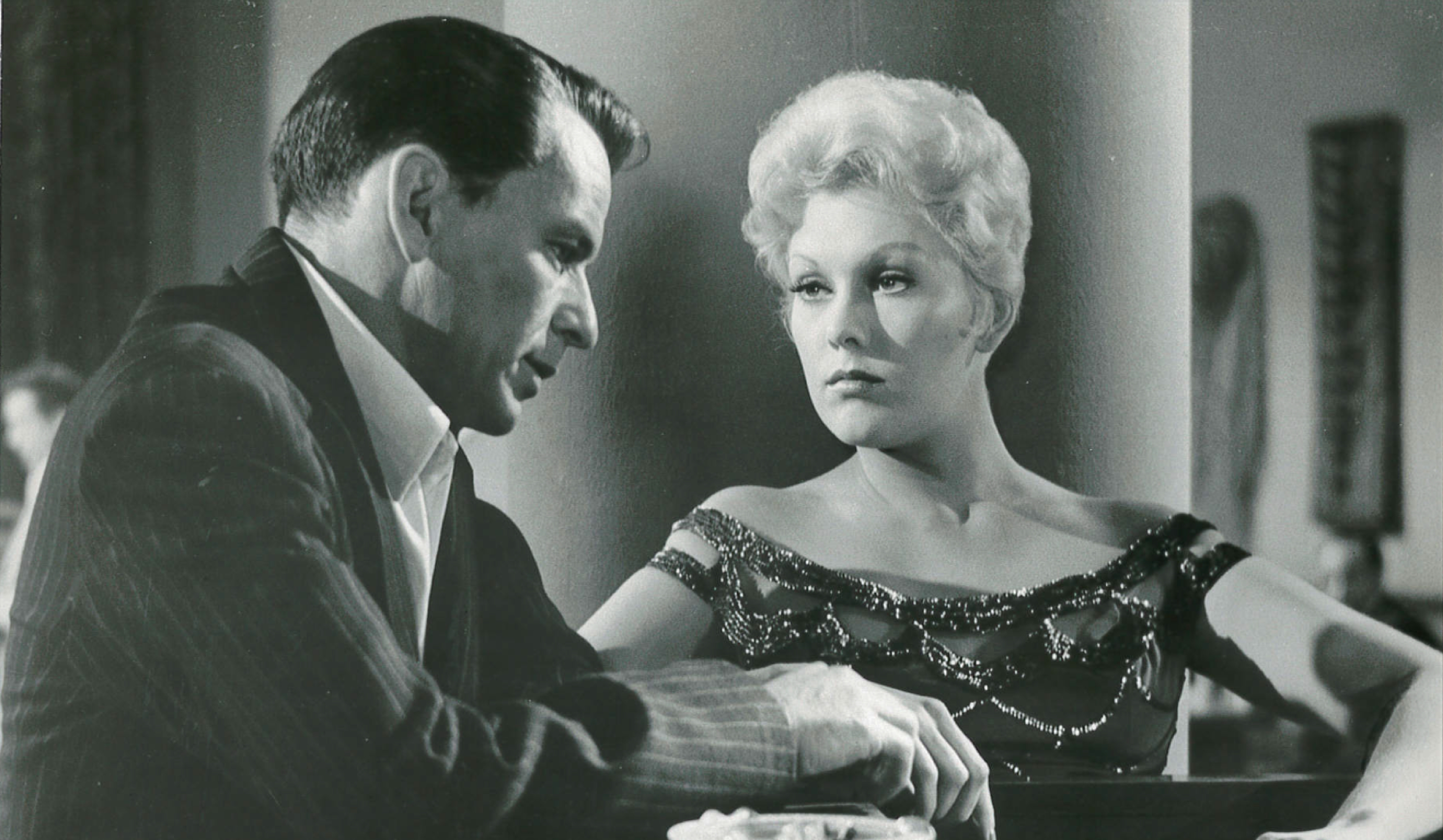
In this module you will explore the ways in which Hollywood’s historical film genre represents America’s history of the 20th Century. Framed by a consideration of the genre’s core aims and methodology, as well as critiques of the same, the module will examine notions of myth, American identity, democracy and the American Dream on whose narratives America’s history has been constructed. Drawing on primary and secondary research, you will examine how the genre has worked to both reinforce and critique these ideas, and how contemporary shifts in representation and perspective have challenged the racialized and gendered limitations of past narratives of US history. Considering key myths, events, people and periods of national significance through films including, for example, The Godfather Part II (Francis Ford Coppola, 1974), Jackie (Pablo Larraín, 2016) and The Manchurian Candidate (John Frankenheimer, 1962), the module will examine the cultural significance of the Hollywood historical film and what it tells us about how America sees itself and wants to be seen by the world.
In this module you will:
• Critically analyse the genre of the Hollywood historical film
• Examine the ways in which Hollywood film shapes our understanding of American history
• Explore American mythology articulated through Hollywood film
• Critically analyse screen representations of American historical events, figures and eras
• Explore the ways in which Hollywood film reinforces and challenges narratives of US history
Read full detailsCreative Practice Dissertation Project
This module currently runs:spring semester - Wednesday morning
(core, 15 credits)
This module allows students to put into practice their research and project planning, based on learnings from the Autumn semester research module. They will develop a final project that encapsulates the learnings and aspirations from previous years of their course.
The project module should encase their own investigations and interests while targeting a specific audience defined in advance. The final output will happen in coordination with their course supervisor and will be course-specific.
This module allows students to demonstrate academic and/or professional skills compatible with their level of study as the project stimulates experimentation and innovation as part of their preparation for future academic or professional life.
The module aims to:
• deliver and plan a professional-level project in their area.
• help students choose areas of interest or affinity in their professional practice.
• enhance writing, research, pitching skills, as well as the development of specific artefacts specific to their course.
• equip students with the skills necessary to produce an independent body of work relating to their discipline that can enhance their employability by showcasing an independent body of work.
• prepare students for future independent practice.
Creative Research Dissertation Project
This module currently runs:autumn semester - Wednesday morning
spring semester
(core, 15 credits)
This module allows students to develop research and project planning that encapsulates learnings and aspirations developed throughout their course. It is expected that students can demonstrate a range of skills and techniques acquired during previous years. The project module should encase their own investigations and interests while targeting a specific audience defined in advance. This module allows students to demonstrate academic and/or professional skills compatible with their level of study as the project stimulates experimentation and innovation as part of their preparation for future academic or professional life.
The module aims to:
• develop skills of planning, research, and delivery of a professional-level project in their area.
• help students choosing areas of interest or affinity in their professional practice.
• enhance writing, research, and pitching skills.
• equip students with the skills necessary to produce an independent body of work relating to their discipline
• prepare students for future independent practice.
Postcolonial Cinema and Media
This module currently runs:spring semester - Monday morning
(core, 15 credits)
In this module you will explore postcolonial theory in relation to films and the media. Questions of representations are central to postcolonial studies as well as film and media studies. Drawing upon key concepts of postcolonial theory, you will discuss the question of representation and the reproduction of, or challenges to, dynamics of power in relation to questions of race, gender and class that are grounded in colonial discourses about self and Other. Through the adoption of a postcolonial lens in the analysis of selected films and media products in the Anglophone and Francophone sphere (including television and music), you will be able to identify the broader socio-historical, cultural, economic and political forces shaping narratives and aesthetics of representation. Topics include: colonial discourse analysis; strategies of oppression and oppositional discourses; the notion of nation and nationalism in relation to race and gender; the problems of empire, decolonisation and the postcolonial state.
This module aims to:
· Promote the application of a postcolonial framework to the analysis of films and media, with specific reference to the Anglophone and Francophone cultural production
· Identify and critically engage with the legacy of colonial discourses in narratives and aesthetics in films and media
· Enhance a critical understanding of the socio-political and cultural context within which films and media emerge and circulate
· Enhance students’ research skills and abilities to critically analyse films and media
Researching Media Audiences
This module currently runs:autumn semester - Tuesday morning
spring semester - Tuesday morning
(core, 15 credits)
This module critically examines the history of media audience research focusing on theoretical, methodological and ethical issues underpinning it. Students study different ways of theorising and researching media reception and interpretation. They evaluate and apply key theories and methods in designing and conducting their own piece of research.
In this module students will:
● develop a critical understanding of different historical and theoretical approaches to media reception and interpretation
● explore available strategies for researching audience reception and interpretation
● examine and evaluate existing research on audience reception, its history and context, and the methodologies that have informed it
● conceive, plan and conduct a short piece of research on media reception
The French New Wave
This module currently runs:spring semester - Monday afternoon
(core, 15 credits)
This module charts the development of the French New Wave, a group of films of the late 1950s and early 1960s and one of the most influential movements in film history.
The work of a generation of directors many of whom had started as film critics, the module will consider this distinctive film style in the context of the social changes that transformed post-war French society and culture.
In tandem with the rise of cinephilia and the love of American cinema, the module will trace the passage from theory into practice. The textual properties of the films and their artistic innovations will be explored in connection with the representation of youth, modernity, the city of Paris, history and gender relations. ou should also include the aims of the module: what key skills and knowledge will it enable students to develop? As a guide you should have been 4-6 aims per module.
In this module, you will:
• Learn about the history of French film criticism and its impact not only a style of filmmaking associated with a particular national cinema but also on film studies as an academic discipline.
• Learn to evaluate the influence of cultural, social and intellectual forces in shaping New Wave filmmaking.
• Learn to critically interrogate the relationship between text, context and issues of representation.
• Learn to analyse a range of films critically and in relation to the context in which they were produced.
Read full detailsArts, Culture and Lifestyle Journalism
This module currently runs:spring semester - Wednesday afternoon
(option, 15 credits)
Arts, Culture and Lifestyle Journalism delves into the intricacies of arts and culture reporting, exploring the interplay between traditional and digital formats. The module encompasses diverse artistic domains, including music, film, literature, art, architecture, dance, and theatre, also tailoring content to align with individual student interests and career aspirations. Beyond technical skills, the module thoroughly explores arts and culture journalism in its cultural, historical, global, and lifestyle aspects. This broader perspective encourages students to adopt self-reflective and critical viewpoints, fostering a nuanced understanding of the industry beyond conventional mediums and viewpoints.
The module aims to:
1. foster a nuanced understanding of the history, nature, and meaning of art, culture, and performance across diverse areas.
2. develop a critical knowledge of arts, culture, and lifestyle journalism routines.
3. delve into issues and debates within the arts and culture journalism landscape, including funding, criticism, and representation.
4. explore reporting and publishing trends illuminating current arts and culture movements.
5. ensure professional ethics and professional commitment to marginalised publics.
Audio Plug-in Coding
This module currently runs:spring semester - Wednesday afternoon
(option, 15 credits)
In this module, you will be introduced to the field of coding for audio plug-ins, a fast-growing employment market. By taking this module you will have the opportunity to develop simple plugins for audio applications such as Logic, Ableton Live, Pro Tools and Cubase, using VST, VST3, AU, AUv3, AAX and LV2 formats in an accessible way.
You will cover digital signal processing concepts in the context of coding and producing them within the JUCE framework. By doing so, exploring their application in music and audio scenarios, ultimately working towards developing them into audio plugin devices.
Throughout the course of the module, you will explore the JUCE framework and basic C++ coding for audio plug-ins in a series of workshops and exercises, where you will work to develop a range of simple audio devices for a final portfolio submission.
This module aims to:
• Introduce student's to C++ programming for music.
• Develop skills working in the JUCE framework, in order to create audio plugins.
• Develop skills in digital signal processing.
• Enable student's to produce simple audio plugins.
Career Development Learning
This module currently runs:spring semester - Wednesday afternoon
autumn semester - Wednesday afternoon
(option, 15 credits)
The module enables students to undertake an appropriate, short professional activity related to their course at level 6 with a business or community organisation and to gain credit for their achievements. The activity can be professional training or certification, a volunteering activity, employment through internal or external work-based placements, research-related activities, business start-up projects, entrepreneurship programs and more. Please see the complete list of accepted activities on WebLearn.
Students are expected to engage in any one or combination of career development learning activities for a total of ~70 hours which should be recorded clearly in a tri-weekly learning log – part of the portfolio. The ~70 hours can be completed in ~30 working days in FT mode or spread over a semester in PT mode.
Students are expected to complete a total of ~150 hours, 70 hours of which is direct engagement in any one or combination of career development learning activities. Progress should be recorded clearly in tri-weekly learning logs which are part of the portfolio. The ~150 hours can be completed in ~35 working days in FT mode or spread over a semester in PT mode.
Students should register for the module to be briefed, undergo induction and module planning and have their career development learning activity approved before they take up the opportunity. Students must be made aware that both the "Learning Agreement" (LA) and relevant "Health and Safety (H&S) checklist", where applicable, must be approved before starting the learning activity. Activities started without prior explicit supervisor approval will not be accepted.
The module aims to provide students with the opportunity to:
• Gain a valuable experience of the working environment and the career opportunities available upon graduation.
• Sharpen critical thinking, creative problem-solving and the ability to articulate solutions correctly to decision-makers and budget-holders alike.
• Undertake a career development learning activity appropriate to their academic level to gain exposure and access to professional networks.
• Extend learning experience by applying and building on their academic skills and abilities by tackling real-life problems through enrichment and extracurricular programs related to student subject areas.
• Enhance existing skills and master new ones through a structured personal and Professional Development Plan (PDP).
Digital Video Post Production
This module currently runs:spring semester - Wednesday afternoon
(option, 15 credits)
This module will examine, from an interdisciplinary perspective, techniques for video post-production. Students will analyse current trends in video post-production across a range of digital media industries; music, journalism, media, marketing, film and games. This module will examine and analyse traditional and modern visual special effects using examples from film, music video, television and games to illustrate the development of new techniques for post-production video editing. The role of AI in the video post-production techniques will also be explored. Practical exercises, lectures, and demonstrations will aid students in developing a wide spectrum of technical and analytical skills in the field of video post-production and visual special effects. Students will be expected to undertake all stages of the creative planning process to deliver an integrated digital video and audio project to complete the module. This module aims to:
● Develop and encourage confidence in the integration of appropriate editing software.
● Analyse the most effective approach to a variety of post-production problems.
● Work to a professional standard to an industry brief.
Students will be expected to undertake all stages of the creative planning process to deliver an integrated audio/video project.
Read full detailsDocumentary Filmmaking
This module currently runs:autumn semester - Wednesday afternoon
spring semester
(option, 15 credits)
You will develop professional practices by working in small groups to produce a short documentary. The module will give an overview of the commissioning process and will include input from industry professionals.
You will be required to research, pitch, and develop a documentary proposal following industry guidelines and legal frameworks.
There will be an emphasis on how to film and work with documentary subjects (or characters) in an ethical way.
You will learn about a range of documentary modes, genres and techniques via screenings, discussion, and practice. Key figures and films will be explored as well as emerging styles and formats.
The module aims to:
• Provide students with an overview of approaches to documentary filmmaking.
• Give students practical experience of a range of documentary techniques such as sit-down interviews, vox pops and observational filming.
• Develop students’ understanding of how to research, develop and present a concept for a documentary for film or TV.
• Enable students to shoot, structure and edit a short documentary using appropriate audio and camera equipment and editing software.
Read full detailsFilm and TV: Industry and Politics
This module currently runs:autumn semester - Tuesday afternoon
(option, 15 credits)
This module examines the interplay between commercial and political concerns in the film and television industries by exploring key moments in the development of screen industries as well as more contemporary concerns.
You will explore critical, socio-cultural, industrial and political debates surrounding film and television, considering the implications of these issues for film and television analysis and practice.
You will investigate a range of conflicts and controversies around topics such as regulation, censorship and control, propaganda, moral panics, and the impact of political developments on film and TV.
The module aims to
· Provide students with an overview of the development of key aspects of the film and TV industries and their political and social contexts in the UK and elsewhere. · Develop students’ knowledge of key industrial and political moments and their significance.
· Develop students’ understanding of conflicts and controversies within the field.
· Enable students to critically analyse film and TV in relation to relevant cultural and political contexts.
You will be introduced to a number of key issues and case studies in which political concerns, pressures, and ideologies impact on film and television industries, such as (but not limited to):
· Public Service Broadcasting, commercial television and streaming
· ‘Video nasties’ and the BBFC
· Censorship and Hollywood’s ‘Red Scare’
· The Hays Code · Film and television propaganda
· 1970s paranoid conspiracy thrillers
· ‘#OscarsSoWhite’
· ‘State of the Nation’ Film and Television
Topics such as these will be investigated alongside screenings of relevant film and television programmes in order to situate the issues within a specific screen context and explore their current significance.
Note: This optional module may become unavailable if the student intake numbers are low.
Read full detailsMedia Industry Careers
This module currently runs:autumn semester - Wednesday afternoon
(option, 15 credits)
This module represents core self-development activities: career planning, promotion of student work, and portfolio. It provides practical guidance for students in how to position themselves and their work with reference to their career goals and builds on student work in Level 5 Media Industry Roles module on personal promotional activity.
The module will include analysis of current trends and the changing media landscape, with a focus on diversity and representation across the industries, as well as encouraging engagement with local film and media organisations and activities.
Student research will inform the development of a career plan and the design of the portfolio of work (including show reel where relevant). Students will design the presentation of their work to prospective employers or funders in various formats including: CV, covering letter, website – format to be determined through the student’s research.
This module aims:
• to afford students the opportunity to realise the career-potential of their accumulated skills, subject knowledge and understanding. The skills will include identifying and researching career opportunities, mapping the requirements and benefits of the career against their own skills and motivations and then learning about and producing the evidence that will enable them to exploit that opportunity.
• to increase students’ understanding of the interrelationship between their practice and the contexts of their profession in the creative economy, and ‘market’ for their skills.
• to empower, enabling the graduate to exploit capacity and potential to shape the job and their professional field so that they may both contribute to and create social benefit from their career.
Read full details



.jpg)

.png)