


Internationally recognised for high quality teaching, excellent facilities and unique opportunities.
The School of Art, Architecture and Design at London Metropolitan University offers courses across a broad range of subject areas: Art encompassing fine art, photography and fashion photography, English literature and creative writing, theatre arts, Architecture, and Design, which includes fashion, fashion textiles and textiles, interiors, product and furniture design, and visual communication.
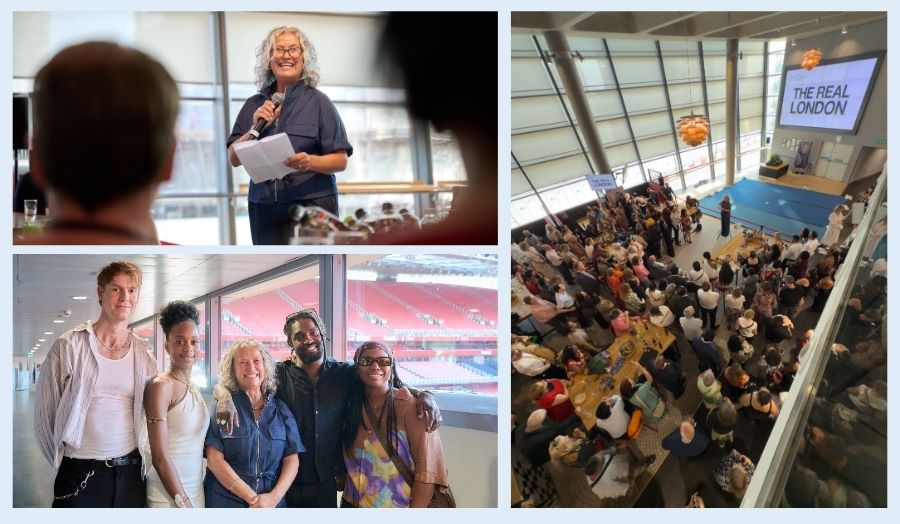
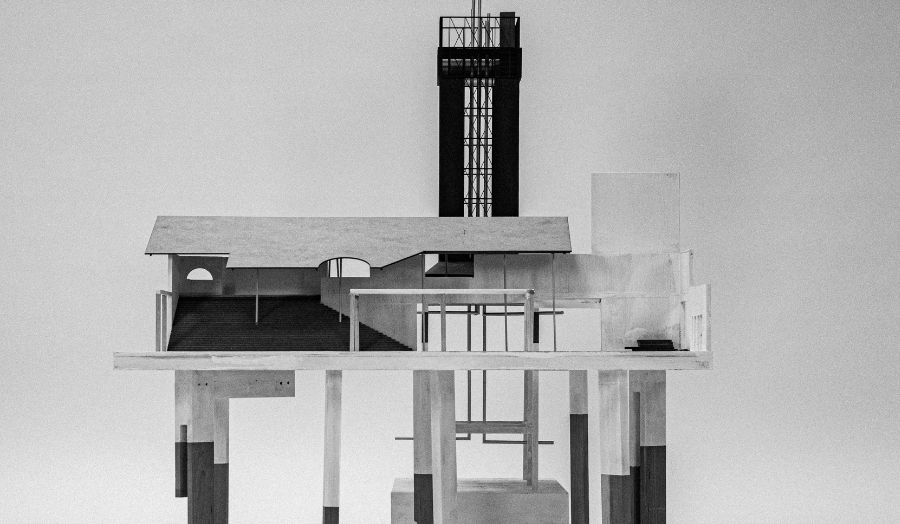
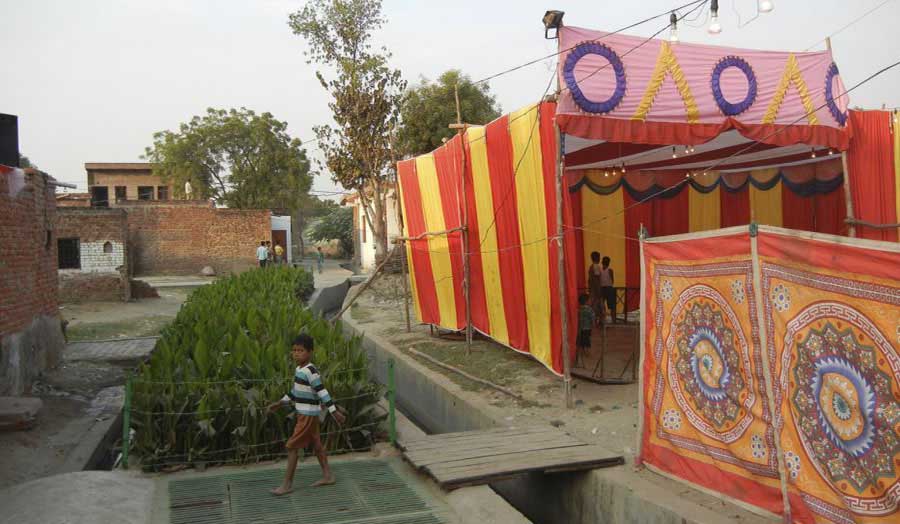
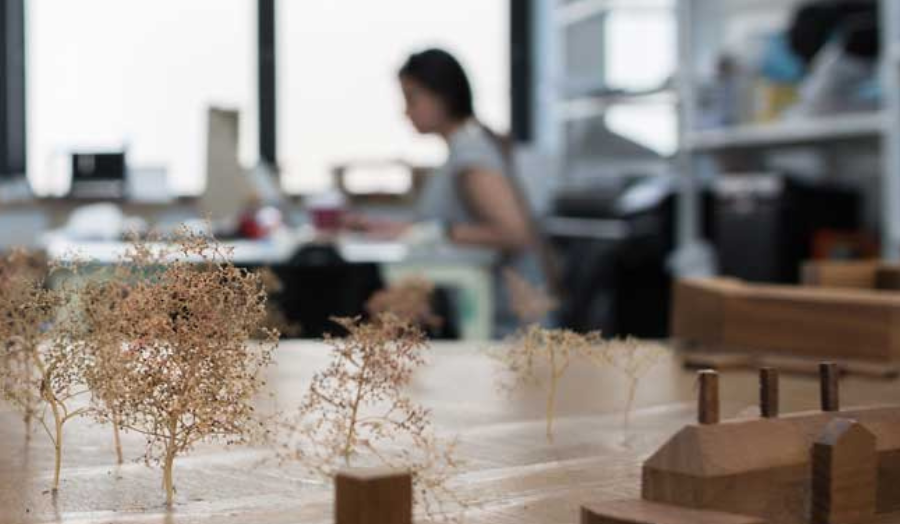
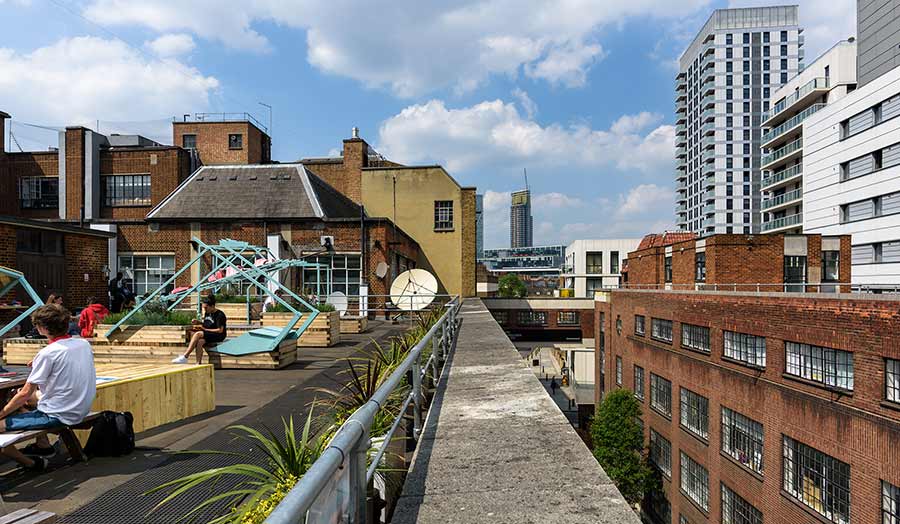
Learning through practice, playing with process and working with clients; students at the school gain real-world experience in both individual and collaborative projects, engaging with professionals, communities and companies. There is a strong emphasis in our studios on socially engaged architecture, art and design applied to both local and global contexts. The many specialist facilities you could find yourself using include wood and metal workshops, print rooms, darkrooms and digital manufacturing technology. Our regular exhibitions, including our annual Summer Show and Post Graduate and Research Exhibition, attract large audiences.
Important update: In 2020 we took the decision to remove the name of Sir John Cass from the title of the school, recognising that the use of his name contributed to the redemption of a man without acknowledging the enormous pain he caused as a major figure in the early development of the slave trade, and the legacy of this pain. The use of his name was incompatible with our commitment to support the Black community and to actively oppose racism in all forms.
Embrace studio culture and community
Teaching and learning at the school is led by academic staff and professional practitioners in our well-equipped studios and workshops. Students learn through making, experimenting with process and technique, developing the knowledge and skills for their personal and professional practice. Students' work in progress is exhibited and celebrated throughout the year. Our inclusive and student-centred studio approach encourages peer learning and fosters the building of creative communities both during and beyond study.
Join award-winning architects, artists and designers
Recognition of students’ work is widespread:
- Annually, students are selected for the month-long Venice Biennale fellowships through the British Council. Fellowships were awarded to Ricardo Burt and Elizaveta Vasileva in 2025.
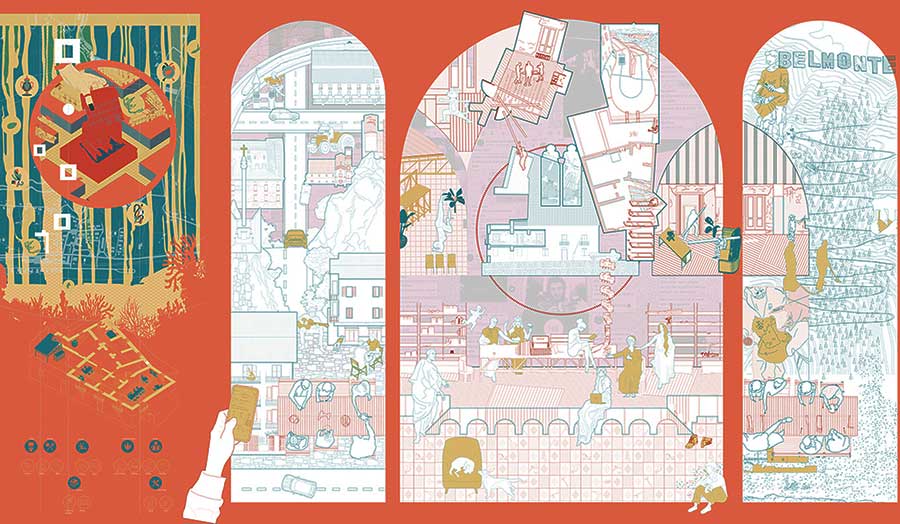
- Our Architecture students regularly received awards or commendations at the annual RIBA Presidents Medals Awards including Ian Davide Bugarin and Conor Lawless in 2021 and Oliver Reynolds in 2022
- Fine Art undergraduate Jilly Topping had her work shown at the Royal Academy Summer Show
- Photography graduate Cristina Fillimon was awarded the Gold award in the 'Places' category at the 2023 Association of Photographers' Awards with her fellow graduate Kasia Kowalska awarded a Silver award in the same category.