Our Centre
The current London Metropolitan Polymer Centre has evolved from the National College of Rubber Technology (given National College status by the Government in 1948) and, more recently, the (London) School of Polymer Technology (although involvement with polymers dates back 100 years). Most recently London Metropolitan Polymer Centre has become a core part of the Sir John Cass Department of Art, Media & Design (JCAMD). The history of the Centre is traced in more detail on a separate page. If you are an alumni, you may wish to visit this page where a number of archive photos are shown.
The Polymer Centre is a leading UK centre for education, research and consultancy in polymer engineering, science and technology as these concern the needs of plastics, rubber and associated industries. Whilst developing these activities, the Centre sees one of its roles as working closely with industry, contributing to the continuing technical and commercial well-being of the polymer industries.
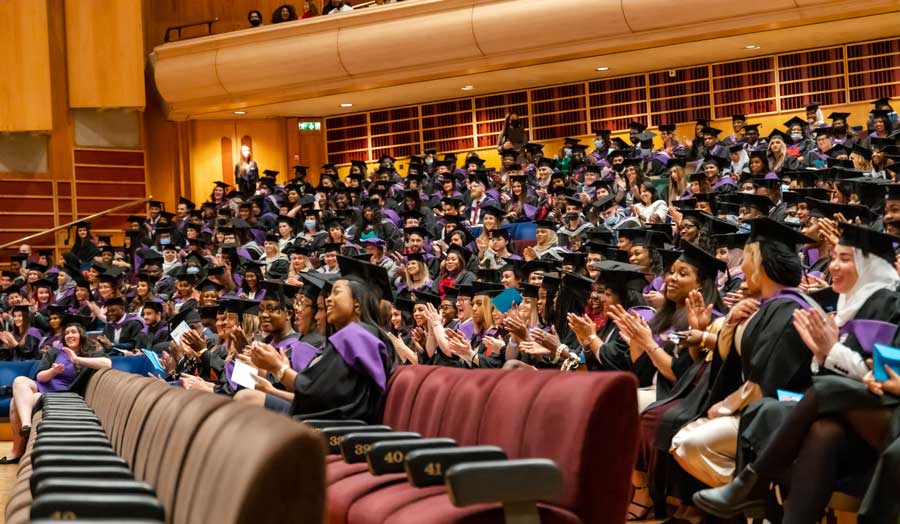
The Centre's outlook is international and has well developed links exist with many overseas countries, especially in Asia. Additionally the Centre offers a European Masters degree in conjunction with universities in a number of countries. The Centre attracts a high proportion of overseas students, mature students and those from ethnic minorities, as well as many part-time students working in the polymer industry.
The Centre is continually developing its activities as the training needs of the polymer industry change. The emphasis is more towards the engineering aspects of polymers, as exemplified in the engineering based BEng and MSc courses. Great importance is attached to research, short courses and consultancy activities.
Most of the academic staff have industrial experience and their expertise is wide ranging, covering the areas of polymerisation, polymer composite structure and properties, mechanical behaviour, polymer processing (especially by injection moulding and extrusion processes), rubber technology, and in the emerging area of nanotechnology.
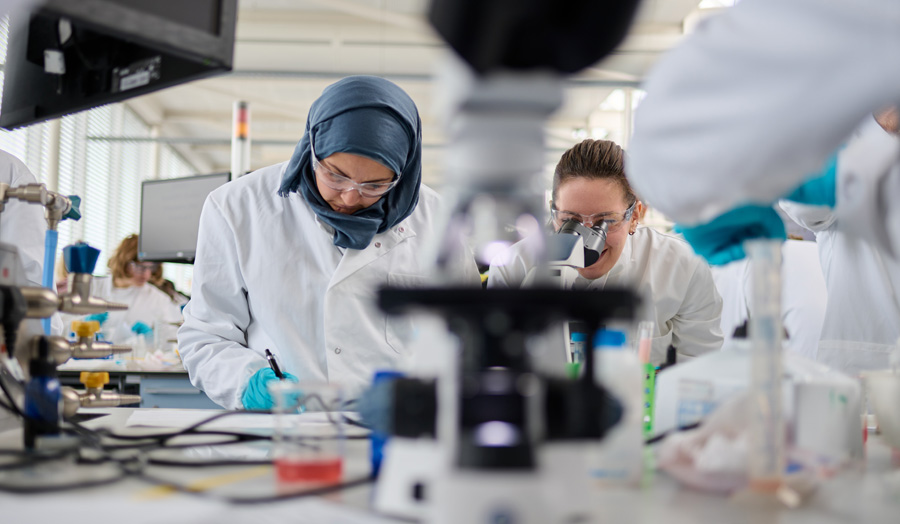
The Centre boasts what is probably the most comprehensive range of equipment for polymer processing, testing, characterisation and other
aspects of product development in any academic institution in the UK. A rolling programme of equipment replacement aims to ensure that the Centre continues to make the most modern techniques used with polymers, plastics and rubbers available to its students. Indeed we have recently completed a major reburbishment initiative where, for convenience, our largest testing laboratory has been moved closer to our processing laboratories. These facilities complement JCAMD’s extensive workshops and studios equipped to cover work from rapid prototyping, material technologies & design to applied and fine art.
The London Metropolitan Polymer Centre is the only Institute in the South East of England offering the full range of courses from technician level to post graduate in Polymer Technology. The Centre's BEng degree course has been accredited by the Institute of Materials, Mining and Minerals, one of only 20 institutions in the UK meeting the academic requirements for CEng and the short courses have been accredited by the Institute for Continual Professional Development (CPD).
It is possible to progress through the course by full-time or part-time study (or a combination of both). Part-time students are nominally employed in the industry and sponsored by their employers. All full-time students have the opportunity to undertake a sandwich placement in an appropriate company.
To widen access to the Centre's qualifications, distance learning programmes have been developed and it is possible to obtain the MSc in Manufacture and Design for Polymer Products modules delivered by distance learning and attendance at short courses. A BTEC National Certificate by distance learning is now available under the Polyflex
Distance Learning for Technicians programme.
Information on courses available from the Centre is given on seperate pages. Courses include those leading to an award through full or part time study; through distant learning; or short courses spanning three to five days.